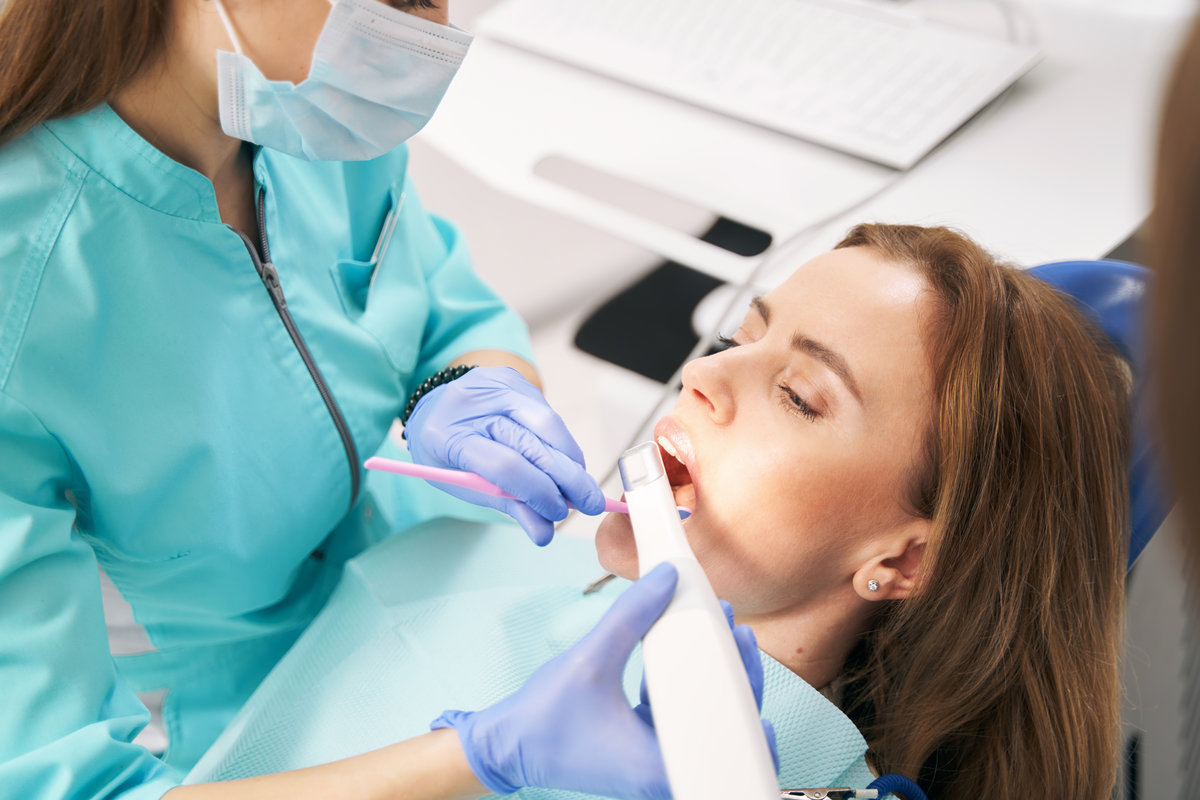
Dental pain has a way of making everything else feel impossible. Whether it’s a dull ache that won’t quit or a sharp twinge every time you bite down, discomfort in your teeth or gums signals that something beneath the surface needs attention. The longer pain goes unaddressed, the more likely a manageable problem becomes a complicated one.
At Alber Dental Studio in Boulder, we focus on identifying the root cause of discomfort and matching it to the right restorative dentistry solution. Whether you’re dealing with decay, a cracked tooth, an infection, or persistent grinding, effective relief begins with a thorough evaluation. Here are seven ways we can help you get out of pain and back to feeling your best. Only an exam can confirm the cause, but the table below shows what different kinds of pain may point to.
What different kinds of tooth pain may point to
What you feel
What it may point to
A common treatment
Sensitivity or a dull ache
Tooth decay
A filling
Sharp pain when you bite
A cracked or weakened tooth
A crown
Deep, persistent toothache
Infection reaching the pulp
Root canal therapy
Bleeding, swollen, or tender gums
Gum disease
Professional cleaning and gum therapy
Aching beside a gap
Extra stress from a missing tooth
A bridge
Jaw soreness and morning headaches
Grinding or clenching
A night guard
What the Timing and Trigger of Your Pain Can Tell You
The kind of pain you feel, what sets it off, and how long it lasts are some of the most useful clues a dentist has. The American Association of Endodontists describes several recognizable patterns of tooth pain, and knowing them can help you judge how soon you should be seen.
Sensitivity That Fades Versus Pain That Lingers
A quick twinge from ice water or hot coffee that disappears within moments usually does not signal a serious problem. It is often linked to a small area of exposed root or a worn filling, and a sensitivity toothpaste may help. Pain that lingers, typically for more than about 30 seconds after the hot or cold is gone, is different. The AAE notes that this pattern suggests the pulp inside the tooth may be irreversibly damaged by deep decay or trauma, which is a reason to schedule an exam promptly rather than wait. Mild sensitivity after a new filling or crown can be temporary, but if it persists or worsens beyond two to four weeks, let us know.
Pain When You Bite Down or Let Go
Sharp pain on biting can come from decay, a loose filling, or a crack in the tooth. Cracks are tricky because they often do not show up clearly on an X-ray, and the pain may appear only when you chew on one spot or release your bite. If one area hurts every time you chew something firm, mention it specifically so we can test that tooth.
Constant Throbbing, Pressure, or Swelling
Severe pain that does not let up, a feeling of pressure, swollen gums, or a tooth that is tender to touch can point to an abscess, an infection that has spread into the surrounding tissue and bone. This is the pattern that most often calls for prompt endodontic care to save the tooth. If swelling or an injury is part of the picture, our post on same-day emergency dental care in Boulder explains how we handle urgent visits.
A Dull Ache in the Upper Teeth or Jaw
A dull ache with pressure across the upper teeth and jaw is often linked to grinding or to sinus congestion rather than a single damaged tooth. Sinus-related pain tends to involve several upper back teeth at once and may show up alongside a cold or allergies. Jaw pain that comes with chest discomfort or shortness of breath can be a sign of a heart problem rather than a dental one, so call 911 right away.
How to Describe Your Pain Before Your Visit
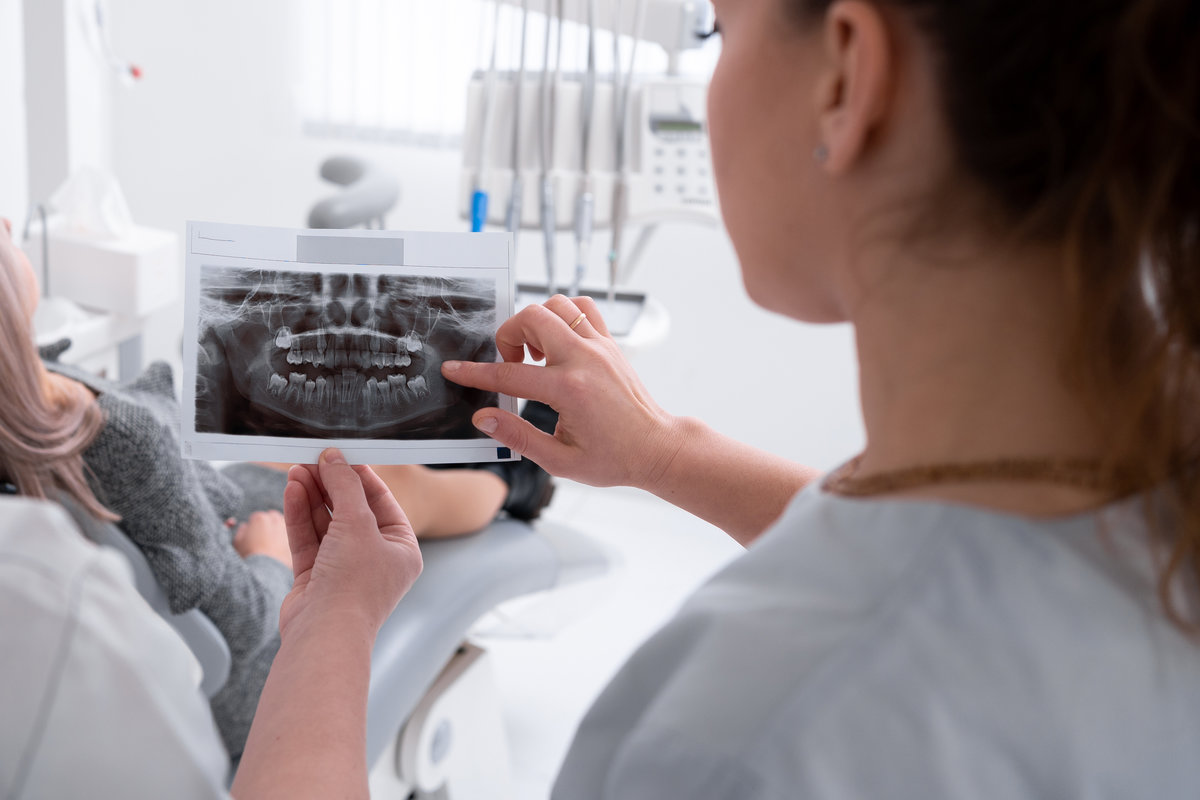
You do not need to diagnose yourself, but a few notes can make your exam faster and more accurate. Before you come in, think about what triggers the pain (cold, heat, sweets, or chewing), how long each episode lasts, whether it wakes you at night, whether you can point to one tooth or the pain feels spread out, and whether over-the-counter pain relievers help. At your visit, we pair that history with X-rays and pulp vitality testing to see whether the nerve inside the tooth is healthy, inflamed, or infected. That combination lets us match the problem to the most conservative treatment that will work, which is often one of the seven options below.
Fillings for Cavities
Tooth decay is among the most common causes of dental pain. When bacteria erode the enamel and expose the softer dentin beneath, sensitivity and discomfort follow. Caught early, a dental filling removes the damaged area and seals the tooth with natural-looking material, restoring both function and comfort before the problem progresses further.
Crowns for Weakened Teeth
When a tooth is cracked, severely worn, or has sustained extensive decay, a filling alone may not provide enough structural support. Our post on fixing a cracked tooth covers your options. A dental crown fits over the entire visible portion of the tooth, distributing bite force evenly and eliminating the pain that comes from pressure on a compromised tooth. Crowns also protect the underlying structure from further breakdown.
Root Canal Therapy for Infected Teeth
Deep, persistent toothache often indicates that infection has reached the pulp inside the tooth, where the nerves and blood vessels are housed. When the damage has not yet reached that far, a treatment called pulp capping may sometimes help save the tooth. According to the American Dental Association, root canal therapy removes the infected tissue, relieves pressure, and seals the tooth so it can continue to function. The procedure has a better reputation today than its history suggests, and recovery is often more routine than patients expect.
Treatment for Sore, Swollen Gums
Bleeding, swollen, or tender gums point to gum disease at some stage, from early gingivitis to more advanced periodontitis. Left untreated, gum disease leads to persistent discomfort and eventually threatens the teeth themselves. Professional cleanings, scaling and root planing, and targeted therapies address the bacterial infection responsible and restore the health of the tissue that supports every tooth in your mouth.
Bridges for Missing Teeth
A missing tooth does more than change your smile. It alters how your remaining teeth absorb the force of chewing, placing added stress on neighboring teeth and the jaw joint. Over time, that uneven pressure can cause aching and soreness even in teeth that were previously healthy. A dental bridge restores balance to the bite and closes the gap before these secondary problems develop.
Extractions When Necessary
When a tooth is too damaged or infected to save, removal is sometimes the most effective path to relief. A carefully performed extraction eliminates the source of pain and prevents the infection from affecting surrounding teeth or spreading further. We review the alternatives before recommending extraction and will talk through replacement options such as a bridge or implant. Our guide to tooth extraction vs. dental implant walks through that decision.
Night Guards for Grinding and Clenching
Bruxism, the habit of clenching or grinding the teeth, most often happens during sleep. The pressure generated can exceed what the teeth experience during normal eating, leading to worn enamel, cracked teeth, jaw soreness, and morning headaches. A custom-fitted night guard creates a protective barrier between the upper and lower teeth, absorbing force and allowing the jaw muscles to relax overnight. Our guide to night guards for teeth grinding covers the signs of grinding and how a custom night guard works.
Do not wait if your pain comes with these signs
Go to the emergency room or call 911 for trouble breathing or swallowing, or swelling that spreads to your eye, neck, or throat. For facial swelling or a fever along with tooth pain, contact us right away. You can read more about dental emergencies and what to do next.
What is the most common cause of tooth pain?
Tooth decay is the most frequent culprit behind dental pain. When bacteria erode enamel and reach the sensitive dentin or pulp inside the tooth, the result is everything from mild sensitivity to severe, persistent aching. Other common causes include cracked teeth, gum disease, grinding, and infections. A dental exam is the only reliable way to identify the cause, because many of these conditions look similar from the outside but require very different treatments.
Can dental pain go away on its own?
Occasionally, mild sensitivity from a minor irritation resolves without treatment. More often, dental pain that comes and goes or lingers is a sign of an underlying condition that will not improve on its own and will likely worsen. Decay spreads, infections grow, and cracks deepen. If you have been experiencing discomfort for more than a few days, scheduling an evaluation is the right call rather than waiting to see if it resolves.
How quickly can a dentist see me for dental pain?
Most dental offices prioritize patients who are in pain. If you are hurting, contact our office as early in the day as possible and tell us what is going on, and we will do our best to see you as soon as we can. If your pain is accompanied by swelling, fever, or difficulty swallowing, these indicate a more serious infection that warrants urgent care.
Is a root canal as painful as people say?
Root canal therapy has a reputation that far outpaces the reality of modern treatment. The procedure is performed under local anesthesia, and many patients describe it as comparable to having a filling placed. The pain relief that follows often makes the appointment a positive turning point rather than an ordeal, and many people feel more comfortable in the days after a root canal than they did in the days before it. You can read more about what modern root canal treatment looks like.
What does it mean if my tooth pain suddenly stops?
Pain that disappears on its own is not always good news. When the nerve inside an infected tooth dies, the pain can fade even though the infection is still present and may continue to spread into the bone around the root. If a tooth hurt for days and then went quiet, especially if the gum nearby is swollen or tender, it is still worth having it checked so we can confirm what happened and protect the tooth.
Relieve Dental Pain at Alber Dental Studio in Boulder
Dental pain is your body’s way of flagging a problem that will not fix itself. At Alber Dental Studio, we work to find the source of your discomfort quickly and deliver the care needed to restore your comfort and protect your oral health for the long term. Whether you need a simple filling or something more involved, you can expect straightforward communication and attentive care at every step.
Request an appointment online to schedule your visit in Boulder, CO. If you are in pain, tell us when you reach out, and we will do our best to see you as soon as possible.
Stay connected
Want to see more from us on Google?
Add us as a preferred source and our articles can show up more often in your searches.
"Alber dental is a truly outstanding practice. By far the best dental practice I have visited. Every person there cares deeply about their"Read More- Shawn English
"A true 5 stars experience. I’m a new patient. Had a great experience under the care of two lovely and skilled hygienists, both"Read More- Peter Wise
"Having recently moved to Boulder, I feel lucky to have found this dental practice. They carefully diagnosed and quickly addressed the problems I"Read More- Marybeth Neal
"I had a very good experience at Alber Dental. The technology is modern and efficient with crowns and onlays completed in under two"Read More- Liz Weiss
"Dr. Alber is the best. He employs the best hygienists who use the best instruments, he provides the latest gadgets ensuring patient comfort."Read More- Elizabeth Eckerdt
"I have been a patient of Dr. Alber for several years now, and am very pleased with him and his team. They are"Read More- Larry Parrish
"We LOVE going here and feel such a relief to have them! Wouldn’t want any other dentist for my family."- Miranda Encina
"Whole office is supportive and friendly. Dr. Alber is skilled and works quickly."- Carolie Coates
"I’ve been a patient for 20+ years. Goes to show that I rather not try any other dentist. Every one of Dr Alber’s"Read More- Amalia
"Absolutely the best experience I’ve ever had!! I’m extremely picky about dentists and hygienists. This team has it dialed in to the moon"Read More- Jasmine Rice
Alber dental is a truly outstanding practice. By far the best dental practice I have visited. Every person there cares deeply about their patients and providing a comfortable, relaxing and extremely professional experience for their guests. Cannot recommend highly enough.
A true 5 stars experience. I’m a new patient. Had a great experience under the care of two lovely and skilled hygienists, both highly knowledgeable and with good manner. My interactions with Dr Alber were also very pleasant, filled with great info and advice and without the feeling badgering salesmanship of upselling me on orthodontics I know I don’t need. Overall, very content and will be happy to return.
Having recently moved to Boulder, I feel lucky to have found this dental practice. They carefully diagnosed and quickly addressed the problems I had with a couple of teeth. All of the staff are very knowledgeable and communicate well.I feel that they know and care about their patients, and I’ve learned a lot about teeth!
I had a very good experience at Alber Dental. The technology is modern and efficient with crowns and onlays completed in under two hours. Everyone I interacted with are professional, polite and happy to answer questions. On top of that, they accept my insurance.
Dr. Alber is the best. He employs the best hygienists who use the best instruments, he provides the latest gadgets ensuring patient comfort. The office is comfortable. I will never have another dentist
I have been a patient of Dr. Alber for several years now, and am very pleased with him and his team. They are professional, compassionate, and efficient. I highly recommend them.