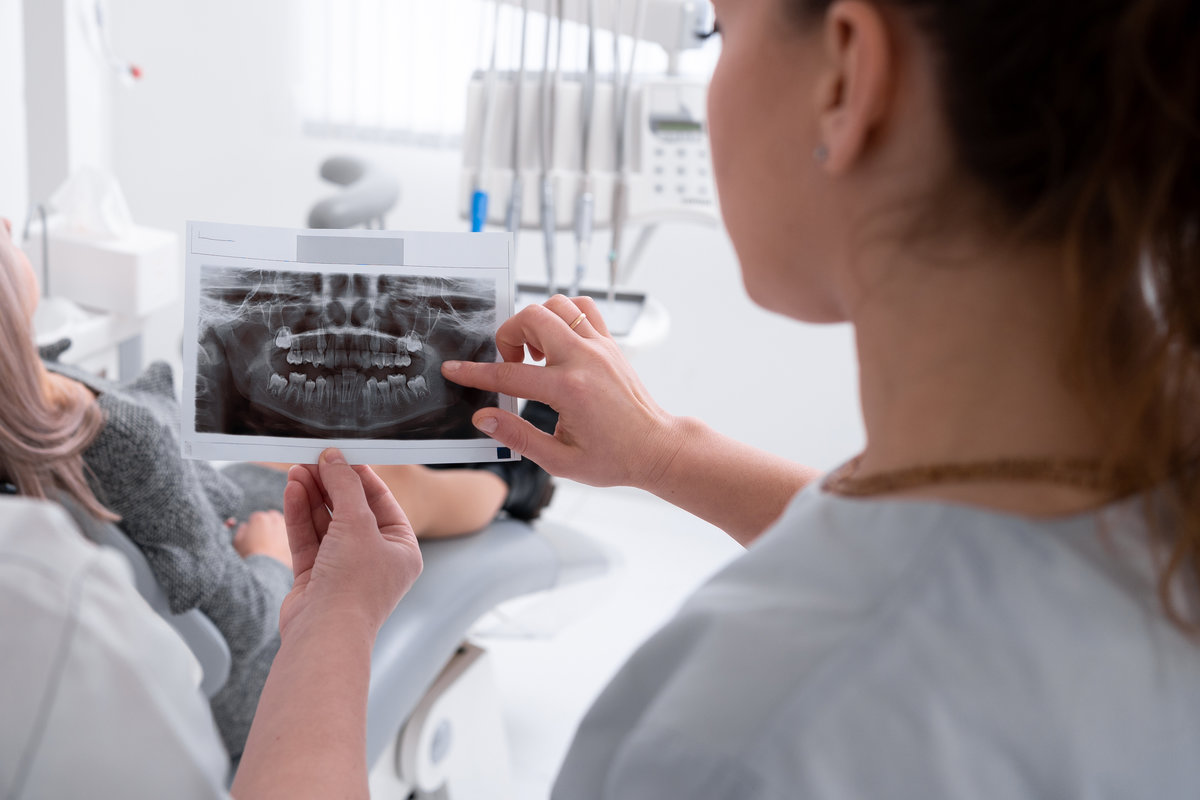
A damaged or failing tooth rarely announces itself with a simple answer. Some teeth can be saved with a root canal or a crown, while others have reached a point where extraction is the healthier, more predictable path forward. Once a tooth is gone, the next decision carries just as much weight: whether to replace it with a dental implant, and if so, how soon. These choices affect chewing function, jawbone health, and the alignment of the teeth around the gap, so understanding the factors at play helps you walk into that conversation with confidence.
At Alber Dental Studio, we’ve spent more than 26 years helping Boulder patients navigate exactly this kind of decision. Every mouth is different, and the right path depends on the extent of damage, your long-term goals, and how your bone and gum tissue are holding up. Below, we break down what typically leads to an extraction, what a dental implant actually involves, and how the two decisions connect.
When Extraction Becomes the Right Call
Dentists generally try to preserve a natural tooth whenever there’s a reasonable chance of success. A tooth with a deep crack, extensive decay that has reached the root, or advanced periodontal disease that has destroyed the surrounding bone often falls outside that range. In these situations, keeping the tooth in place can do more harm than good, allowing infection to spread to neighboring teeth or the jawbone itself.
Impacted wisdom teeth, severe trauma from an accident, and teeth that have already failed a root canal are other common reasons extraction becomes the recommended course. Our oral surgery team evaluates the tooth’s structure, the surrounding bone density, and your overall oral health before recommending removal, because a thorough evaluation upfront makes the healing process and any future replacement far more predictable.
What the Procedure Involves
A simple extraction is typically used for a tooth that is fully visible above the gumline, while a surgical extraction is reserved for teeth that are broken at the gumline or still below the surface. We use local anesthesia and, when needed, sedation options to keep the experience comfortable for patients who feel anxious about the visit. Most people recover within a few days, though the timeline depends on the complexity of the extraction and whether bone grafting is part of the plan.
Why the Replacement Decision Matters
Once a tooth is removed, the jawbone beneath the empty socket begins to change. Without the stimulation a tooth root normally provides, the bone can start to lose density over time, which is one of the reasons dentists often recommend planning for replacement sooner rather than later. According to a CDC data brief on tooth loss among older adults, about 12.9% of adults 65 and older had lost all of their teeth in 2015 to 2018, a reminder that the long-term consequences of missing teeth deserve real attention well before that stage of life.
Leaving a gap unaddressed can also allow neighboring teeth to shift, which affects your bite and can create new problems with chewing efficiency or jaw strain. This is where a single-tooth implant becomes relevant. A titanium post is placed directly into the jawbone, where it fuses with the bone over several months before a custom crown is attached on top. The result functions and looks like a natural tooth, and it’s an option that also replaces the tooth root, which helps keep the bone in that area stimulated.
1
Evaluate
An exam and X-rays check the tooth, bone density, and gum health.
2
Extract
The tooth is removed, with bone grafting when the plan calls for it.
3
Heal
The implant post is placed and fuses with the bone over several months.
4
Restore
A custom crown is attached on top of the implant.
Weighing Your Options
Not every extraction leads immediately to an implant, and that’s a legitimate choice depending on your circumstances. Some patients prefer a dental bridge or a removable option, particularly if there are financial considerations or if multiple teeth are involved. When many teeth are affected, a full mouth reconstruction may be part of the conversation. Before you decide, it helps to think through a few key questions:
How much bone density remains at the extraction site, and would grafting be needed first
Whether the missing tooth is in a visible area where appearance matters most
Your budget and timeline, because implants involve a longer overall process than a bridge or partial denture
Any health conditions, like uncontrolled diabetes or active smoking, that can affect healing
Whichever direction fits your situation, the conversation with your dentist should cover both the short-term recovery and the long-term outlook for your bite and jawbone health. The table below compares the three most common ways to replace a missing tooth.
Dental implant compared with a bridge and a removable partial denture
Dental Implant
Dental Bridge
Removable Option
What it replaces
The tooth root and the crown
The visible tooth, supported by neighboring teeth
One or more teeth, held in place by the mouth
Neighboring teeth
Typically left as they are
Typically reshaped to support the bridge
May be used for support
Jawbone
Helps keep the bone in that area stimulated
Does not replace the root
Does not replace the root
Overall timeline
Longer, with several months of healing
Shorter
Shorter
Making the Right Choice for Your Smile
Deciding between saving a tooth, extracting it, and choosing a replacement option is not a decision to make on your own. It requires a close look at your X-rays, an understanding of your medical history, and an honest conversation about what you want your smile to do for you in the years ahead. Boulder patients often come to us after getting conflicting advice elsewhere, and we find that walking through the reasoning behind each option, rather than just the recommendation itself, helps people feel far more confident moving forward.
If you’re facing a compromised tooth and aren’t sure whether extraction, an implant, or another restorative option makes the most sense, our team at Alber Dental Studio is ready to talk it through with you. We combine same-day CEREC technology, sedation options for anxious patients, and more than 26 years of experience treating smiles in Boulder to help you make a decision you’ll feel good about long after the procedure is done. Reach out through our contact form to schedule a consultation and get clear answers specific to your situation. If cost is a concern, our guide to how insurance benefits work at a fee-for-service practice is a good place to start.
Stay connected
Want to see more from us on Google?
Add us as a preferred source and our articles can show up more often in your searches.
"Alber dental is a truly outstanding practice. By far the best dental practice I have visited. Every person there cares deeply about their"Read More- Shawn English
"A true 5 stars experience. I’m a new patient. Had a great experience under the care of two lovely and skilled hygienists, both"Read More- Peter Wise
"Having recently moved to Boulder, I feel lucky to have found this dental practice. They carefully diagnosed and quickly addressed the problems I"Read More- Marybeth Neal
"I had a very good experience at Alber Dental. The technology is modern and efficient with crowns and onlays completed in under two"Read More- Liz Weiss
"Dr. Alber is the best. He employs the best hygienists who use the best instruments, he provides the latest gadgets ensuring patient comfort."Read More- Elizabeth Eckerdt
"I have been a patient of Dr. Alber for several years now, and am very pleased with him and his team. They are"Read More- Larry Parrish
"We LOVE going here and feel such a relief to have them! Wouldn’t want any other dentist for my family."- Miranda Encina
"Whole office is supportive and friendly. Dr. Alber is skilled and works quickly."- Carolie Coates
"I’ve been a patient for 20+ years. Goes to show that I rather not try any other dentist. Every one of Dr Alber’s"Read More- Amalia
"Absolutely the best experience I’ve ever had!! I’m extremely picky about dentists and hygienists. This team has it dialed in to the moon"Read More- Jasmine Rice
Alber dental is a truly outstanding practice. By far the best dental practice I have visited. Every person there cares deeply about their patients and providing a comfortable, relaxing and extremely professional experience for their guests. Cannot recommend highly enough.
A true 5 stars experience. I’m a new patient. Had a great experience under the care of two lovely and skilled hygienists, both highly knowledgeable and with good manner. My interactions with Dr Alber were also very pleasant, filled with great info and advice and without the feeling badgering salesmanship of upselling me on orthodontics I know I don’t need. Overall, very content and will be happy to return.
Having recently moved to Boulder, I feel lucky to have found this dental practice. They carefully diagnosed and quickly addressed the problems I had with a couple of teeth. All of the staff are very knowledgeable and communicate well.I feel that they know and care about their patients, and I’ve learned a lot about teeth!
I had a very good experience at Alber Dental. The technology is modern and efficient with crowns and onlays completed in under two hours. Everyone I interacted with are professional, polite and happy to answer questions. On top of that, they accept my insurance.
Dr. Alber is the best. He employs the best hygienists who use the best instruments, he provides the latest gadgets ensuring patient comfort. The office is comfortable. I will never have another dentist
I have been a patient of Dr. Alber for several years now, and am very pleased with him and his team. They are professional, compassionate, and efficient. I highly recommend them.