

27+
Years Serving Boulder
735+
Five-Star Google Reviews
3
Financing Options Accepted
100%
Fee-for-Service Practice
When a tooth is infected, cracked deep into its structure, or damaged in a way that affects the innermost tissue, the question becomes whether it can be saved. In most cases, the answer is yes, and endodontic treatment is how we do it. Endodontics is the branch of dentistry focused on diagnosing and treating conditions that affect the dental pulp, the soft tissue housed inside the tooth that contains nerves, blood vessels, and connective tissue. When this tissue becomes infected or inflamed, prompt treatment is the difference between saving the tooth and losing it.
At Alber Dental Studio, we provide comprehensive endodontic care for patients throughout Boulder and the surrounding communities. Dr. Marc Alber has over 26 years of experience managing complex dental conditions, and our approach to endodontic treatment prioritizes saving your natural tooth whenever possible. Our restorative dentistry services and endodontic care work in close coordination, ensuring that a treated tooth is also properly restored and protected for the long term.
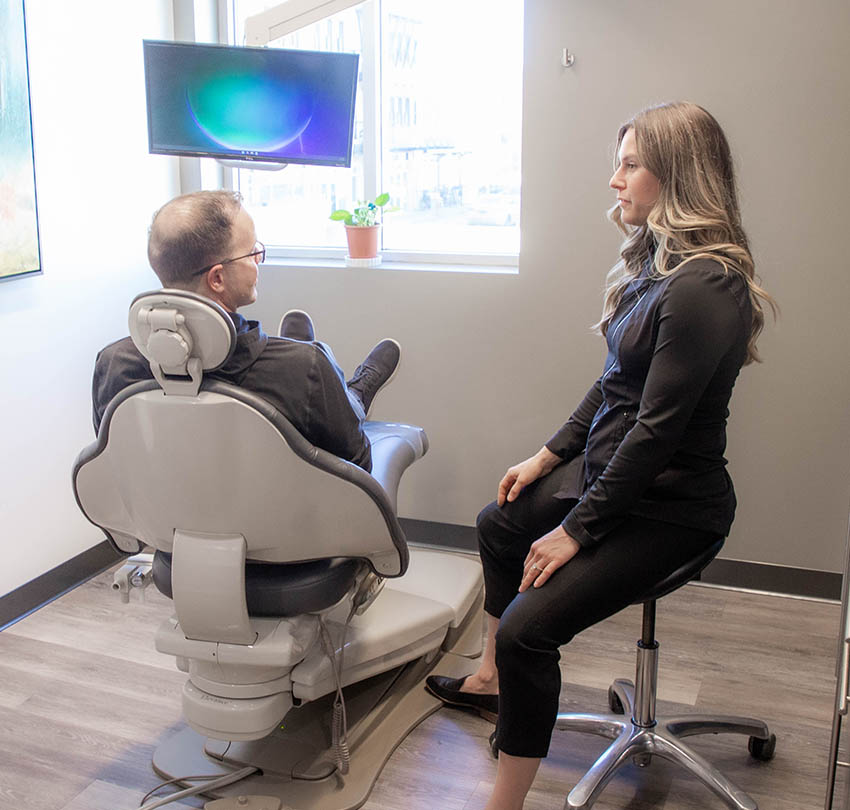
What Is Endodontics?
Endodontics is the specialty of dentistry dedicated to the health of the dental pulp and the tissues surrounding the root of the tooth. The dental pulp is the living tissue at the core of the tooth, responsible for its development and sensitivity. When decay penetrates deep enough to reach the pulp, when a tooth is cracked in a way that exposes the inner tissue, or when trauma damages the root, the pulp can become inflamed or infected. Left untreated, this leads to abscess, bone loss, and ultimately tooth loss.
According to the American Association of Endodontists, more than 15 million root canal treatments are performed in the United States every year, making it one of the most common dental procedures performed. Despite its reputation, modern root canal treatment is no more uncomfortable than getting a filling, and it is far preferable to the alternative of losing the tooth entirely. Keeping your natural tooth maintains your bite structure, prevents shifting of adjacent teeth, and avoids the cost and complexity of tooth replacement.
Warning signs that endodontic treatment may be needed include severe or persistent tooth pain, prolonged sensitivity to heat or cold, darkening of a tooth, swelling or tenderness in the gums, or a pimple-like bump on the gums near a tooth. In some cases, a tooth that requires a root canal causes no pain at all, which is why regular exams and X-rays are essential. Dr. Alber evaluates every patient’s radiographs carefully to identify pulp involvement before it progresses to a more urgent situation.
Our Endodontic Services
Root canal treatment is the most common endodontic procedure we perform. During a root canal, Dr. Alber removes the infected or inflamed pulp tissue, thoroughly cleans and shapes the canal system inside the root, and seals it with a biocompatible material to prevent reinfection. The tooth is then restored, typically with a crown, to protect the remaining structure and restore full function. Our root canal treatment page explains the process in detail, including what to expect before, during, and after the procedure.
For teeth with more complex anatomy or previous root canal treatment that has failed, we also address cases requiring retreatment. When a tooth that has already had a root canal develops new symptoms or shows signs of persistent infection, the canals may need to be re-cleaned and resealed to resolve the issue and preserve the tooth. We also treat cracked teeth, which can affect the pulp depending on the depth and location of the fracture. Learn more about our cracked tooth treatment options and when endodontic care is involved. For teeth where significant discoloration has occurred following a root canal, internal bleaching is an option that can restore a more natural appearance from the inside out.
We also perform pulp capping procedures for teeth where the pulp is exposed or nearly exposed during decay removal but has not yet become infected. Direct pulp capping places a protective material over the exposed pulp to encourage the tooth to heal and maintain pulp vitality, avoiding the need for a full root canal. Learn more about pulp capping and when it is the appropriate treatment path. Our advanced dental technology supports precise diagnosis and treatment in all of these procedures, helping us identify the exact extent of pulp involvement and treat it accurately.
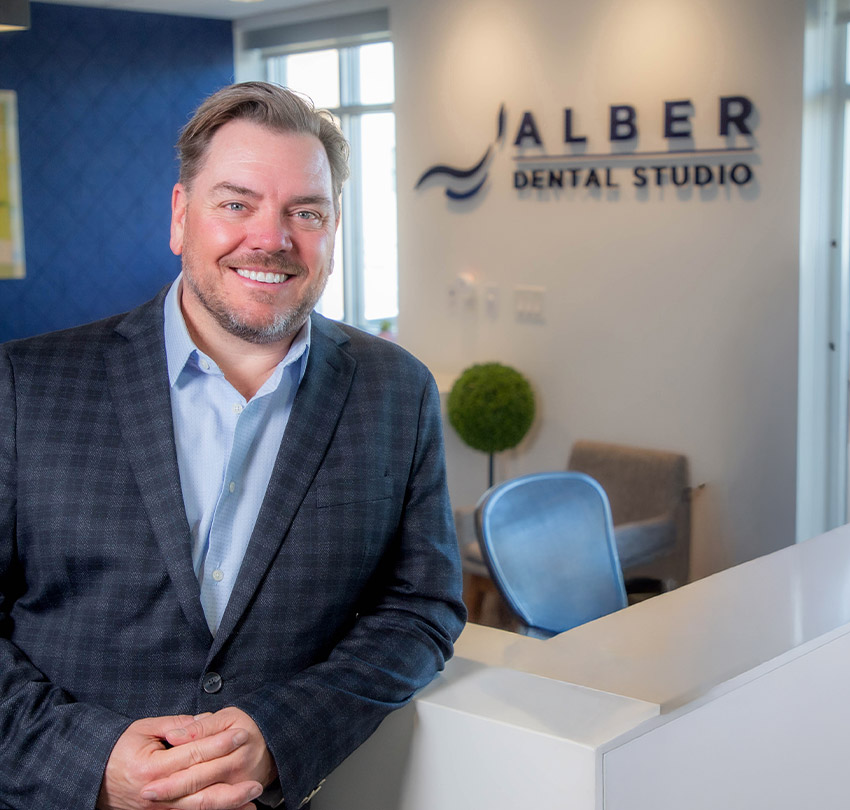

What to Expect During Endodontic Treatment
One of the most persistent misconceptions about root canal treatment is that it is extremely painful. In reality, the procedure is performed under local anesthesia and most patients report feeling little to no discomfort during the treatment itself. The pain people associate with a root canal is the pain of the infection that made the procedure necessary, not the procedure itself. Most patients are able to return to their normal routine the following day. Some soreness around the treated area for a day or two afterward is normal and manageable with over-the-counter pain relief.
Root canal treatment is typically completed in one or two appointments depending on the complexity of the case. After the canals are cleaned and sealed, a follow-up appointment to place a crown is scheduled. The crown is essential for protecting the now-brittle tooth structure and ensuring the tooth can handle normal chewing forces long term. We use CEREC technology at Alber Dental Studio, which means your crown can often be designed, milled, and placed in a single visit. We also offer flexible financing through CareCredit, Cherry, and Altheon for all endodontic and restorative work.
- Experiencing severe or persistent tooth pain
- Noticing prolonged sensitivity to heat or cold
- Have a darkened tooth or visible swelling in the gums
- Have a tooth that was previously treated but has new symptoms
- Want to save a natural tooth rather than extract it
- Have been told a tooth may need to be pulled
Dr. Alber will explain all your options clearly and recommend only what your situation actually calls for.
What to Expect at Your Visit
Diagnosis & Treatment Planning
Dr. Alber takes X-rays and performs pulp vitality testing to confirm the extent of infection or inflammation. The affected tooth and surrounding bone are evaluated to determine whether root canal treatment, retreatment, or another approach is the right path.
Pulp Removal & Canal Cleaning
Under local anesthesia, the infected or inflamed pulp tissue is removed and the canal system inside the root is thoroughly cleaned and shaped. Most patients feel little to no discomfort during this step — the anesthesia is effective and Dr. Alber works precisely.
Sealing & Temporary Restoration
The cleaned canals are filled with a biocompatible material and sealed to prevent reinfection. A temporary restoration protects the tooth between appointments while the permanent crown is being prepared.
Crown Placement & Long-Term Protection
A crown is placed over the treated tooth to protect the remaining structure and restore full chewing function. Using CEREC technology, this step can often be completed the same day as the root canal, eliminating an extra visit.
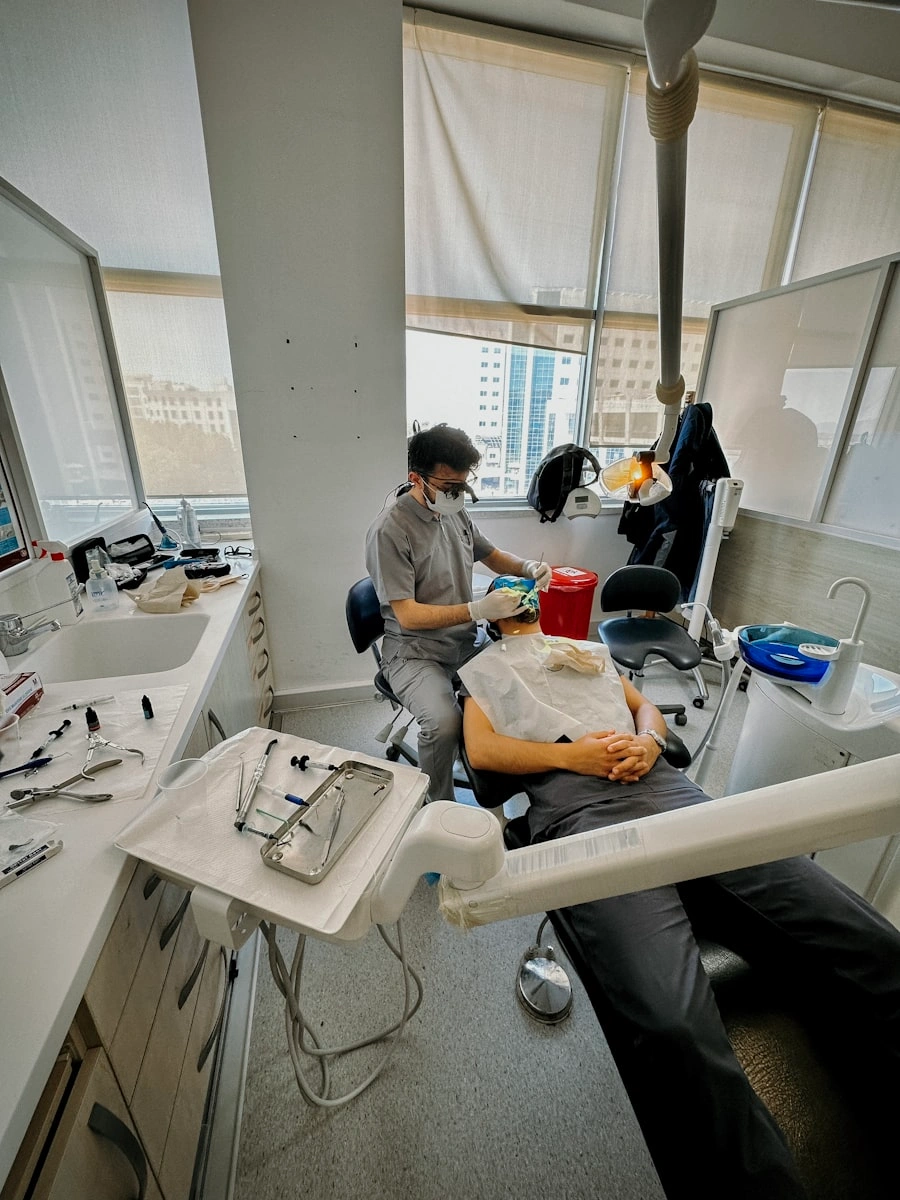
Don't Wait on Tooth Pain
Schedule a consultation with Dr. Alber and get an honest assessment of your options. No pressure — just clear answers.
Questions About Your Care
Honest Answers at Every Visit
At Alber Dental Studio, every recommendation is explained clearly. If you have a question about what Dr. Alber found, why he is recommending something, or what happens if you wait, ask. We would rather spend time answering questions than have a patient leave uncertain.
| Root Canal | Extraction | |
|---|---|---|
| Material | Treats infection while preserving the natural tooth | Removes the tooth entirely to eliminate infection |
| Longevity | Natural tooth maintained for decades with proper care | Replacement required (implant, bridge, or denture) |
| Stain resistance | Lower upfront cost; higher long-term cost with replacement | Eliminates tooth — bite and adjacent teeth may shift |
| Tooth reduction | When tooth structure is viable and infection is contained | When tooth is non-restorable or patient prefers removal |
| Best for | Patients who want to preserve their natural tooth | Patients with non-salvageable teeth or implant preference |
Your Next Step
Ready to Get Started?
Whether you are due for a routine visit or establishing care for the first time, scheduling is straightforward. New patients are welcome. Call or request an appointment online and our team will get you set up.
We see patients of all ages across the full health spectrum. If you are new to Alber Dental Studio, your first visit establishes a complete baseline so we have something meaningful to compare against at every future appointment.
Dr. Alber and the team take the time to understand your goals, your health history, and your concerns before making any recommendations. The care you receive reflects your specific situation — not a template.
We accept HSA and FSA funds and offer 0% financing through CareCredit, Cherry, and Altheon. For patients without insurance, our in-house membership plan covers routine visits at a predictable annual cost.
Routine visits are covered in whole or in part by most dental insurance plans. We are a fee-for-service practice and provide documentation for out-of-network reimbursement. Visit our financing page for full details.
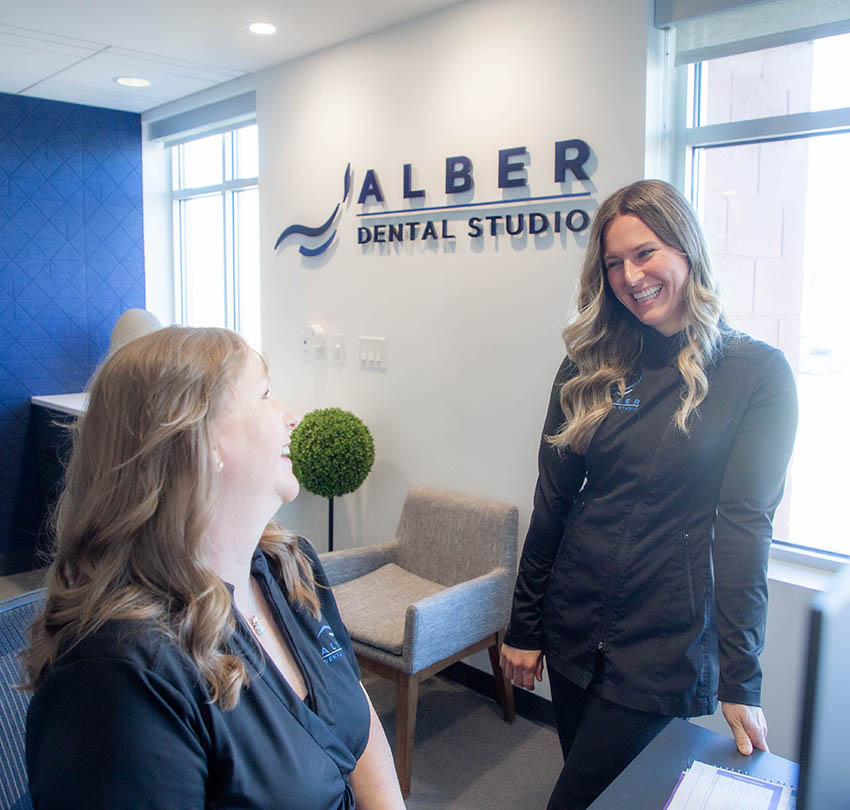
Endodontic Treatment With Flexible Payment Options
Root canal treatment and associated restorative work is covered in part by most dental insurance plans. Our team will review your coverage before treatment begins. For any remaining out-of-pocket costs, we offer 0% financing through CareCredit, Cherry, and Altheon, and we accept HSA and FSA funds. Visit our financing page to learn more before your appointment.
Also at Alber Dental Studio
Also at Alber Dental Studio
Dr. Alber offers a full range of dental services cosmetic dentistry offering at Alber Dental Studio.
The most common endodontic procedure — removes infected pulp and seals the tooth to prevent reinfection.
Endodontic care for cracks that reach the pulp — treatment depends on depth and location of the fracture.
A conservative option when the pulp is exposed but not yet infected — preserves vitality without a full root canal.
Restores natural tooth color from the inside out following root canal treatment.
Read What Our Customers Are Saying
Common Questions
Frequently Asked Questions
How do I know if I need a root canal?
Are root canals painful?
How long does a root canal take?
What is the recovery like after a root canal?
Do I need a crown after a root canal?
How long does a tooth last after a root canal?
Alber Dental Studio: Endodontics in Boulder, CO
Dr. Marc Alber and the team at Alber Dental Studio bring over 26 years of experience to every endodontic case. We take a conservative approach, always working to save the natural tooth when it is clinically viable, and we use precise diagnostic tools to ensure treatment is accurately targeted. You can learn more about Dr. Alber’s experience and approach by visiting his provider profile. If you are experiencing tooth pain, swelling, or sensitivity that has lingered, do not wait. Contact our Boulder office to schedule an evaluation. Prompt diagnosis is the most important step toward preserving the tooth and relieving your discomfort.