
Cracked Tooth Treatment in Boulder, CO

27+
Years Serving Boulder
735+
Five-Star Google Reviews
3
Financing Options Accepted
100%
Fee-for-Service Practice
A cracked tooth is one of the most common dental problems adults face, and one of the trickiest to diagnose and treat. Unlike a cavity, which follows a predictable pattern of progression, a tooth crack can behave unpredictably depending on its location, depth, and direction, as described in NIDCR guidance on cracked tooth syndrome. Some cracks are minor and require nothing more than monitoring. Others extend into the pulp or down the root and require prompt intervention to save the tooth. Understanding exactly what kind of crack you have is the first step to treating it appropriately.
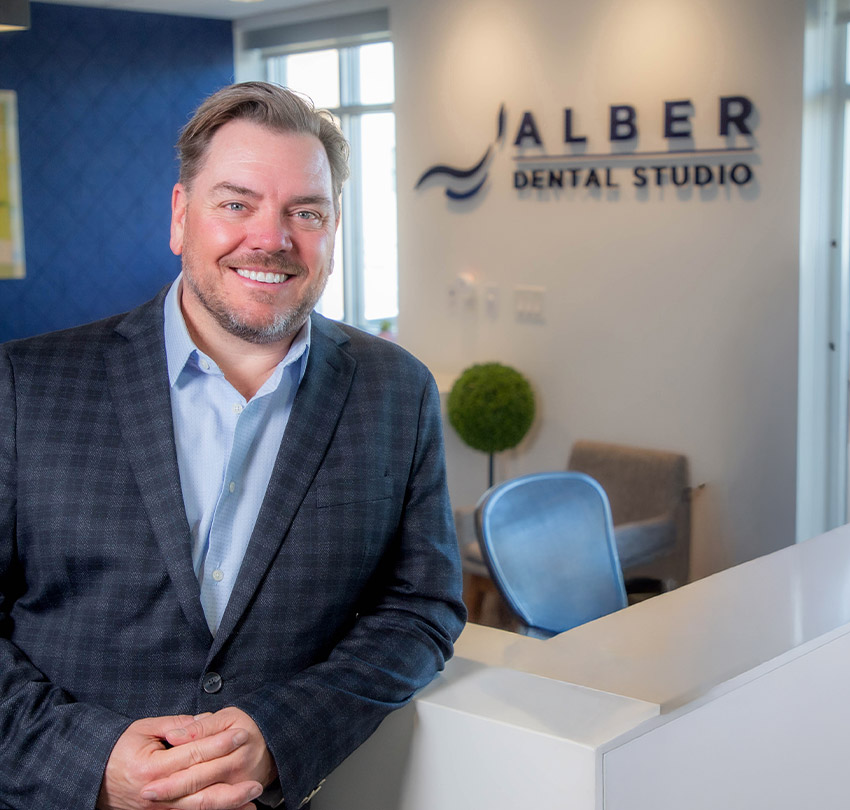
At Alber Dental Studio, we take cracked tooth diagnosis seriously. Dr. Marc Alber uses detailed clinical examination, X-rays, and targeted testing to assess the nature and extent of every crack before recommending treatment. Our goal is always to save the tooth when that is clinically viable. Cracked tooth treatment is a core part of our endodontic and restorative dentistry services, and Dr. Alber’s 26+ years of experience gives him the diagnostic eye needed to accurately evaluate and manage these cases.

Types of Tooth Cracks and How They Are Treated
Tooth cracks exist on a spectrum. Craze lines are superficial cracks in the outer enamel that cause no pain, pose no structural risk, and require no treatment beyond monitoring. A fractured cusp occurs when a piece of the tooth’s biting surface breaks off, typically around a large filling. This type of crack rarely affects the pulp and is usually managed with a crown. A cracked tooth, which involves a crack running from the chewing surface downward, is more serious. If the crack extends into the pulp, root canal treatment followed by a crown is needed. If it extends below the gumline and into the root, the prognosis becomes significantly worse and extraction may be unavoidable.
A split tooth is what happens when a cracked tooth goes untreated long enough for the crack to propagate all the way through. At this stage, the tooth typically cannot be saved and must be removed. A vertical root fracture originates in the root and extends upward. It is often difficult to detect until infection develops around the root. These fractures usually require extraction. The takeaway is clear: acting on a known or suspected crack promptly gives the tooth its best chance. Waiting always narrows the options. Our advanced diagnostic technology supports accurate crack detection and assessment before treatment decisions are made.
The hallmark symptom of a cracked tooth is pain that is sharp, brief, and triggered by biting or releasing pressure, often combined with sensitivity to temperature that lingers. The pain may not be constant, which is why patients sometimes dismiss it or delay treatment. If you experience pain when biting on one side, sensitivity to cold that does not resolve quickly, or a tooth that hurts when you release bite pressure, those are reliable signs that a crack may be present and warrants evaluation.
How We Diagnose and Treat Cracked Teeth
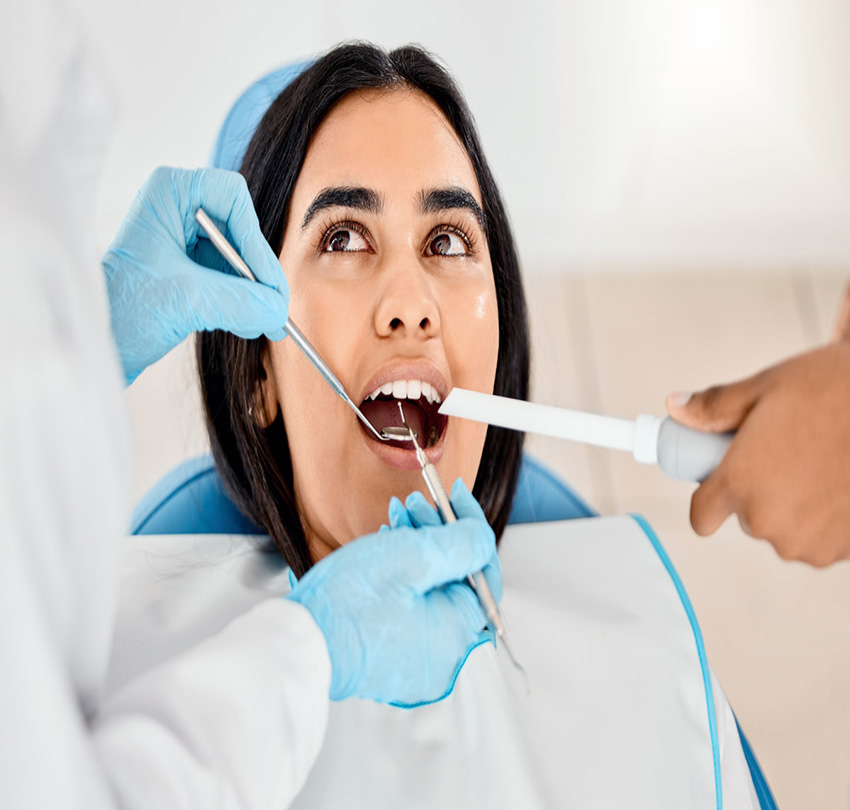
Diagnosing a cracked tooth requires more than a visual exam. Cracks are frequently invisible on X-rays, particularly in the early stages. Dr. Alber uses a combination of visual inspection under magnification, bite testing with a fracture finder instrument, transillumination, and selective anesthesia when needed to identify the location and likely extent of a crack. This thorough diagnostic approach prevents misdiagnosis and ensures the treatment plan addresses the actual problem.
Once the crack is assessed, treatment is matched to its type and severity. A crown is the most common treatment for a cracked tooth that has not reached the pulp. It binds the tooth together, prevents the crack from propagating further under bite forces, and restores full function. If the crack has reached the pulp, root canal treatment is performed first to address the infection or inflammation, followed by a crown. We offer CEREC same-day crowns, which means the crown can often be designed, milled, and placed in a single visit. For patients concerned about the cost, we offer flexible financing through CareCredit, Cherry, and Altheon.
Prevention is also worth addressing. Many cracked teeth occur in teeth weakened by large fillings or those that have had root canals. Protecting these teeth with crowns proactively, before they crack, is far simpler than treating a crack after the fact. Patients who grind should wear a custom night guard to reduce the forces applied to vulnerable teeth during sleep. Avoiding biting directly on hard objects, ice, and unpopped popcorn kernels also reduces fracture risk significantly.
What to Expect at Your Evaluation
Your cracked tooth evaluation at Alber Dental Studio begins with a thorough description of your symptoms and a detailed clinical examination. Dr. Alber will use targeted bite testing, magnification, and imaging to assess the crack. He will be direct with you about what he finds, what the treatment options are, what the prognosis looks like, and what happens if the tooth is left untreated. You leave with a clear picture and a plan. If a crown is the appropriate next step and you want to move forward the same day, we can often place a CEREC crown in a single visit. Learn more about Dr. Alber on his provider profile, and contact our Boulder office if a tooth has been causing bite pain or sensitivity.
- Have healthy teeth and gums with no untreated decay or gum disease
- Want to address stains, chips, gaps, or irregular tooth shape
- Maintain good daily oral hygiene habits
- Do not grind excessively, or are willing to wear a night guard
- Have sufficient enamel to support bonding
- Are looking for a long-term cosmetic investment
Dr. Alber will explain all your options clearly and recommend only what your situation actually calls for.
What to Expect at Your Visit
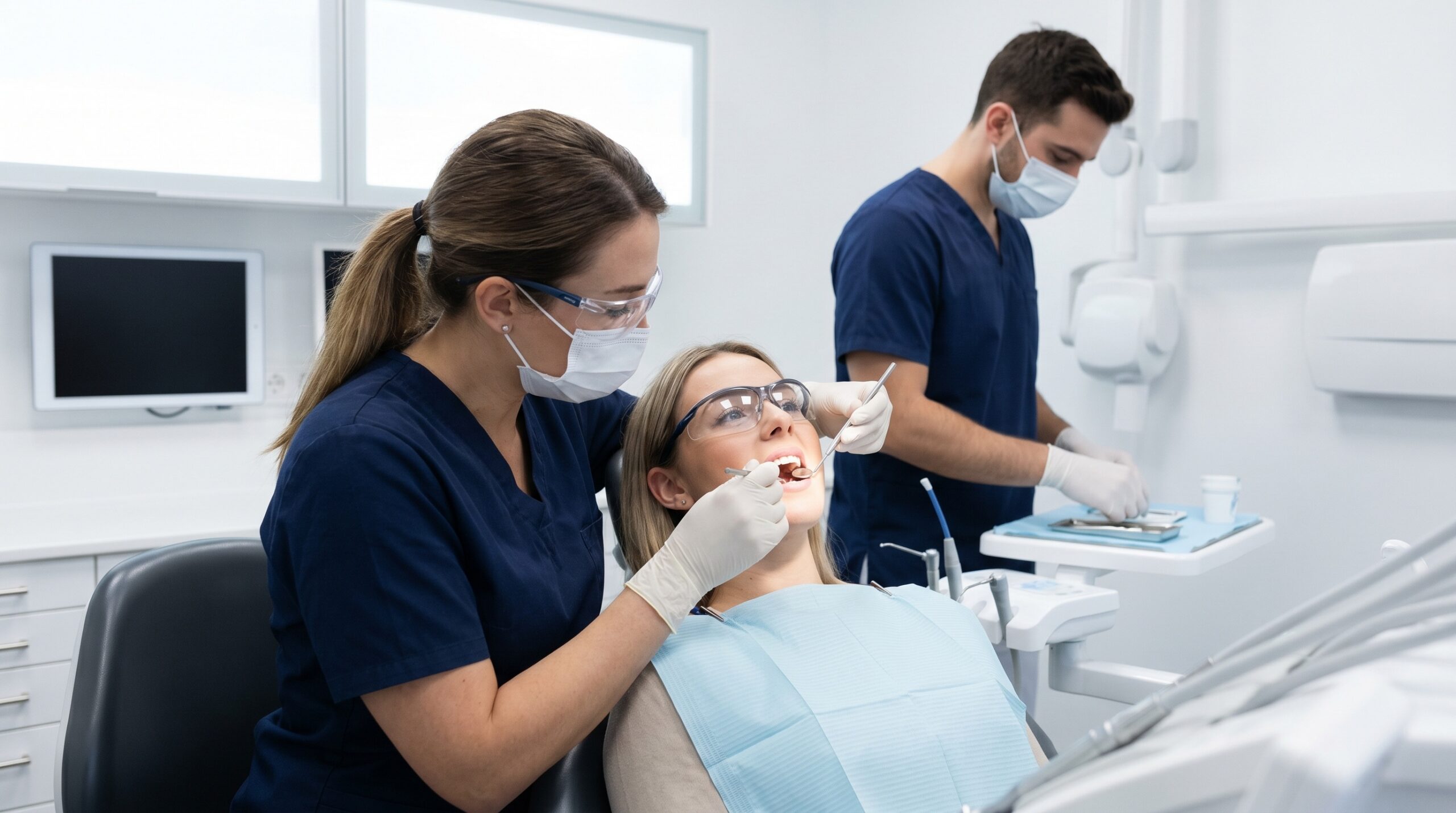
Clinical Exam & Bite Testing
Dr. Alber reviews your health history, takes X-rays where indicated, and performs a thorough clinical exam. Any changes since your last visit are noted and factored into your care plan. New patients receive a comprehensive baseline evaluation before any treatment is discussed.
Diagnosis & Treatment Decision
Based on the clinical findings, Dr. Alber presents a clear assessment of what he sees and what it means. Every recommendation comes with a clinical rationale. Treatment options are explained in plain language so you can make an informed decision without pressure.
Cracked Tooth vs. Fractured Cusp
When treatment is indicated, it is performed with precision and care. When nothing active is needed, you leave with a clean baseline and a clear plan for your next visit. Either way, you know exactly where you stand.
Restoration or Referral
Before you leave, we schedule your next appointment based on your recommended interval — six months for most patients, more frequently if your periodontal status warrants it. Consistency is what preventive care is built on.
Don't Wait on a Painful Bite
Schedule a consultation with Dr. Alber and get an honest assessment of your options. No pressure — just clear answers.
Questions About Your Care
Honest Answers at Every Visit
At Alber Dental Studio, every recommendation is explained clearly. If you have a question about what Dr. Alber found, why he is recommending something, or what happens if you wait, ask. We would rather spend time answering questions than have a patient leave uncertain.
| Cracked Tooth | Fractured Cusp | |
|---|---|---|
| Depth | Extends from crown downward — may reach the pulp or root | Cusp breaks off — crack typically doesn't extend to the pulp |
| Symptoms | Sharp pain on biting or release; sensitivity to temperature | Sudden sharp pain; relief once cusp separates |
| X-ray visibility | Often invisible on standard X-rays — requires clinical bite testing | May be visible once cusp has separated |
| Treatment | Crown, root canal, or extraction depending on crack depth | Crown placement — root canal rarely needed |
| Prognosis | Varies widely — early diagnosis is critical to saving the tooth | Generally favorable when treated promptly with a crown |
Your Next Step
Ready to Get Started?
Whether you are due for a routine visit or establishing care for the first time, scheduling is straightforward. New patients are welcome. Call or request an appointment online and our team will get you set up.
We see patients of all ages across the full health spectrum. If you are new to Alber Dental Studio, your first visit establishes a complete baseline so we have something meaningful to compare against at every future appointment.
Dr. Alber and the team take the time to understand your goals, your health history, and your concerns before making any recommendations. The care you receive reflects your specific situation — not a template.
We accept HSA and FSA funds and offer 0% financing through CareCredit, Cherry, and Altheon. For patients without insurance, our in-house membership plan covers routine visits at a predictable annual cost.
Routine visits are covered in whole or in part by most dental insurance plans. We are a fee-for-service practice and provide documentation for out-of-network reimbursement. Visit our financing page for full details.
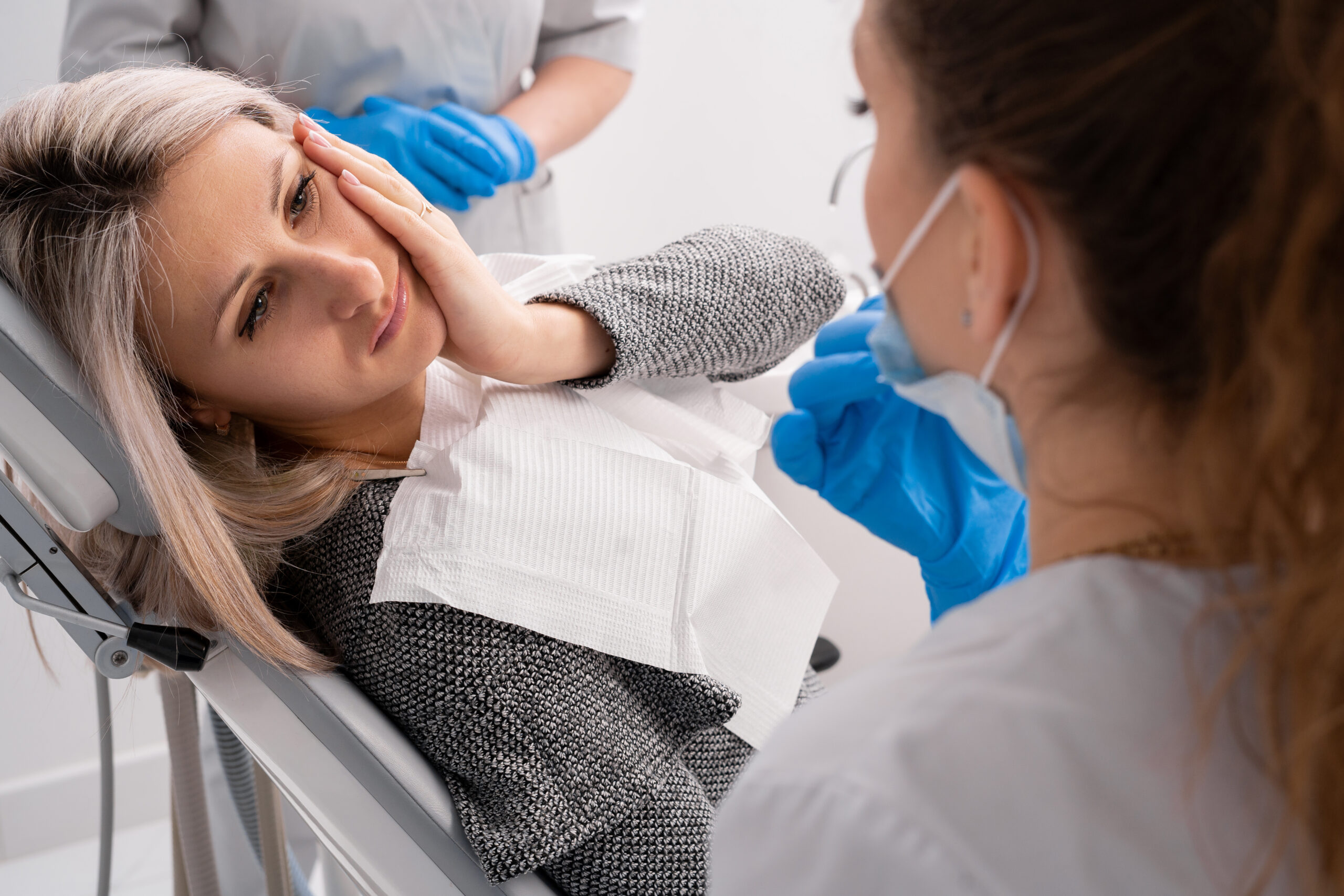
Cracked Tooth Treatment With Flexible Payment Options
Cracked tooth treatment including crowns and root canal therapy is covered in part by most dental insurance plans. Our team will review your benefits before treatment. For remaining costs, we offer 0% financing through CareCredit, Cherry, and Altheon, and we accept HSA and FSA funds. Visit our financing page for details.
Also at Alber Dental Studio
Also at Alber Dental Studio
Dr. Alber offers a full range of dental services cosmetic dentistry offering at Alber Dental Studio.
Comprehensive care plans designed around your oral health goals and individual risk profile.
Same-visit solutions for common dental concerns — no lengthy process required.
Evidence-based preventive care that keeps problems from developing in the first place.
Read What Our Customers Are Saying
Common Questions
Frequently Asked Questions
How do I know if my tooth is cracked?
Can a cracked tooth be seen on an X-ray?
How is a cracked tooth treated?
What happens if I don't treat a cracked tooth?
Is cracked tooth treatment covered by insurance?
How can I prevent my teeth from cracking?
Alber Dental Studio: Cracked Tooth Treatment in Boulder, CO
Dr. Marc Alber and the team at Alber Dental Studio bring over 26 years of diagnostic experience to every cracked tooth case. We take the time needed to assess the crack accurately and give you an honest picture of your options and prognosis. Learn more about Dr. Alber on his provider profile. If a tooth has been causing bite pain or sensitivity, contact our Boulder office promptly. Earlier evaluation consistently leads to better outcomes.