
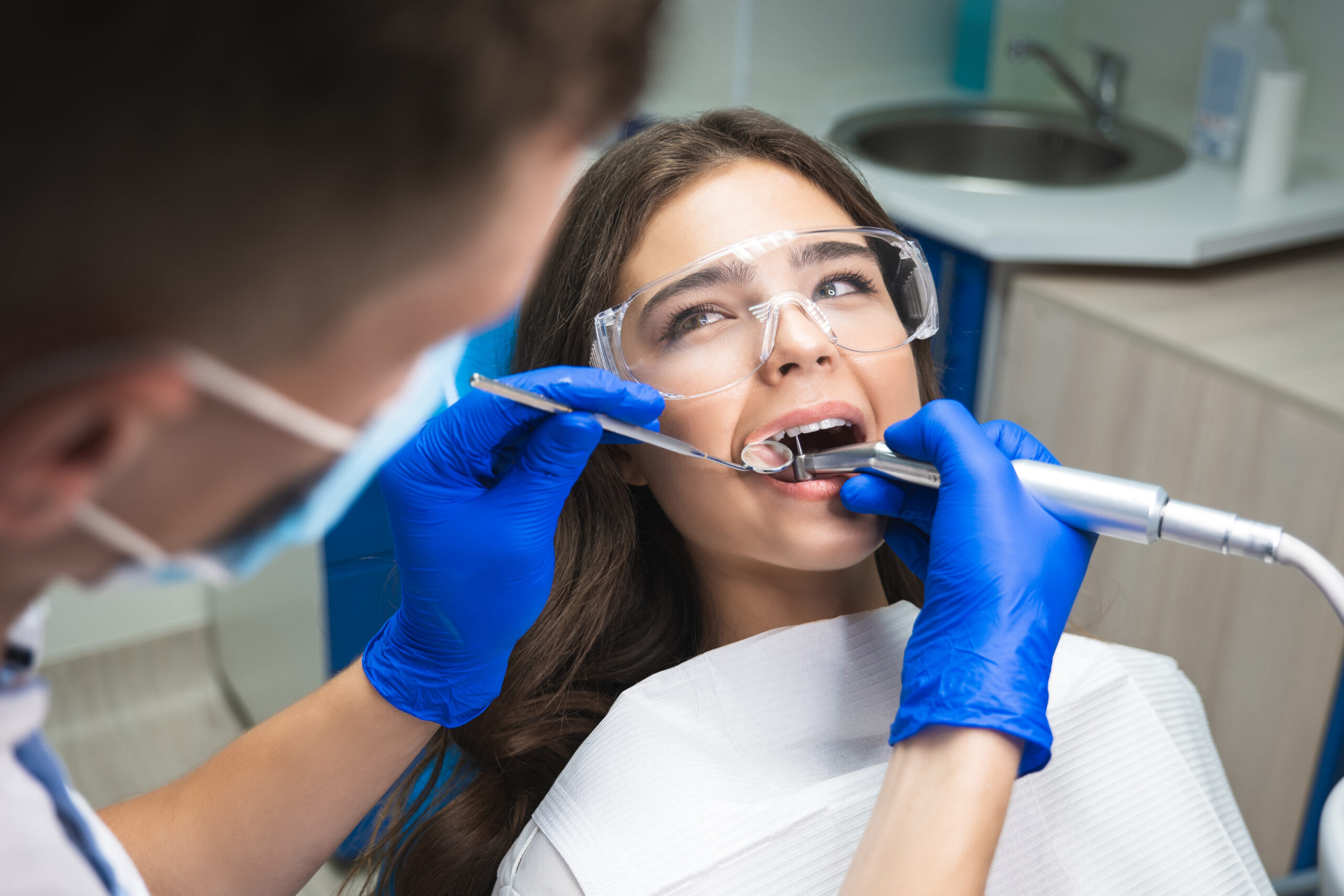
Root canal treatment has a reputation problem it doesn’t deserve. For most patients, the procedure feels no different from a routine filling — and it relieves the severe pain of an infected tooth rather than causing it. According to the National Institute of Dental and Craniofacial Research, untreated tooth infections can spread to surrounding tissue and bone, making early treatment critical. The goal of root canal therapy is to save the natural tooth — removing the infected pulp, sealing the canal, and restoring function so you avoid extraction and the complications that follow.
At Alber Dental Studio in Boulder, Dr. Marc Alber and Dr. Lauren Llorente perform root canal treatment with precision and care, including sedation options for patients who feel anxious about the procedure. We also offer same-day emergency appointments for patients experiencing acute pain or signs of active infection.
What Is Root Canal Treatment?
Root canal treatment — also called endodontic therapy — removes infected or inflamed pulp tissue from inside the tooth. The pulp chamber and root canals are cleaned, shaped, and sealed with a biocompatible filling material. In most cases, a dental crown is placed over the treated tooth to restore its full strength and function. The procedure eliminates infection, stops pain, and allows you to keep the natural tooth rather than having it extracted. Saving the natural tooth is almost always the better long-term outcome — it maintains bite alignment, preserves bone, and avoids the cost and complexity of tooth replacement.
You may need root canal treatment if you are experiencing any of the following:
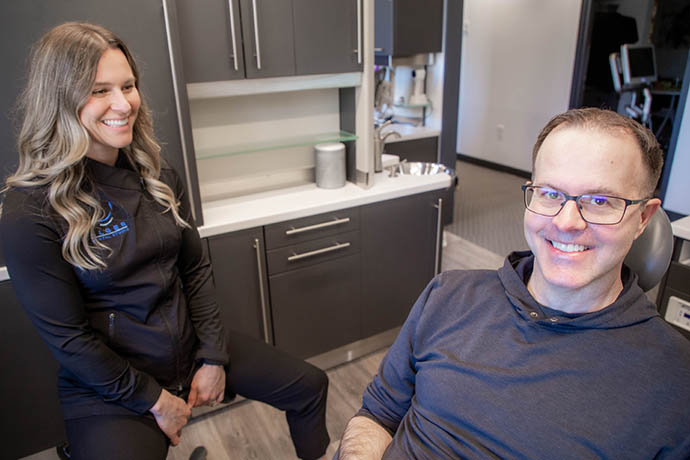
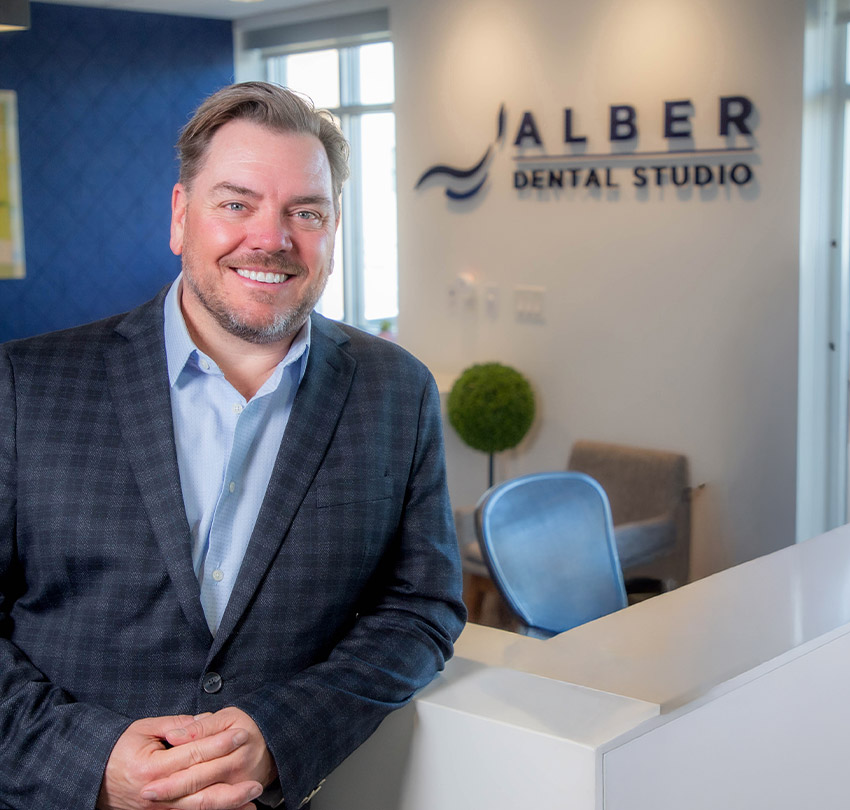
Dr. Marc Alber, DDS & Dr. Lauren Llorente, DDS
Dr. Alber and Dr. Llorente perform root canal treatment with a level of care and precision that sets anxious patients at ease. They explain the procedure fully before beginning, administer local anesthesia thoroughly, and offer nitrous oxide or oral conscious sedation for patients who want additional comfort. Both doctors have 26+ combined years of experience treating infected teeth — including complex cases involving multiple canals, curved roots, and previously treated teeth requiring retreatment.
As a fee-for-service practice, we are not restricted by insurance network limitations on treatment time or materials. We offer 0% financing through CareCredit, Cherry, and Altheon for patients who need help managing the cost of root canal therapy and crown restoration.
The Root Canal Process at Alber Dental Studio
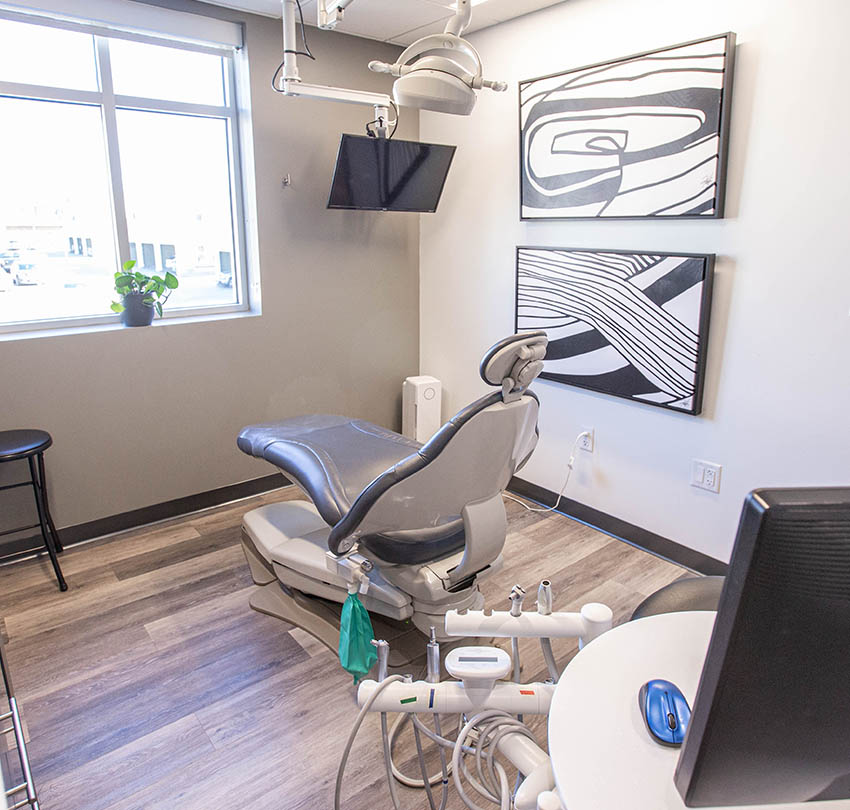
Root canal treatment typically takes one to two appointments depending on the complexity of the infection. Here is what to expect from start to finish.
- Have healthy teeth and gums with no untreated decay or gum disease
- Want to address stains, chips, gaps, or irregular tooth shape
- Maintain good daily oral hygiene habits
- Do not grind excessively, or are willing to wear a night guard
- Have sufficient enamel to support bonding
- Are looking for a long-term cosmetic investment
Dr. Alber will confirm veneers are the right fit during your consultation — and clearly explain any alternative if they’re not.
The Porcelain Veneer Process
Diagnosis & Treatment Planning
Dr. Alber takes digital X-rays to assess the extent of the infection, the number and shape of root canals, and the condition of surrounding bone. If the tooth is in acute pain, we provide immediate relief before proceeding. For straightforward cases, treatment can often begin the same day. For more complex anatomy, we schedule a dedicated treatment appointment.
Canal Cleaning & Sealing
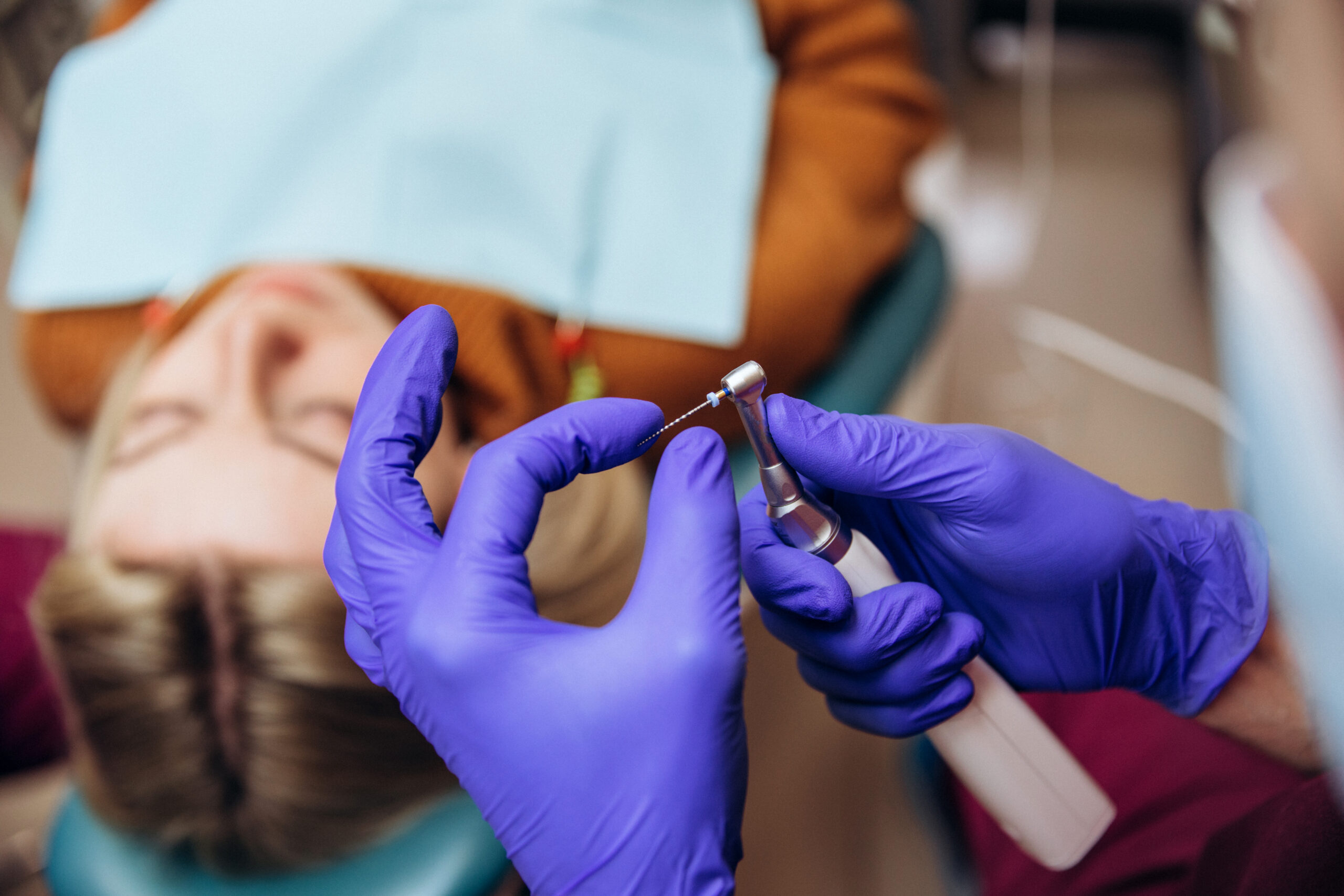
Under local anesthesia — and sedation if requested — Dr. Alber creates a small access opening in the top of the tooth and removes the infected pulp tissue using specialized instruments. Each canal is carefully shaped, irrigated, and disinfected to eliminate all bacteria. The canals are then filled with gutta-percha, a biocompatible rubber material, and sealed to prevent reinfection. A temporary filling is placed over the access opening while your permanent crown is being fabricated.
Crown Placement & Full Restoration
Once the root canal is complete, the tooth needs a crown to restore its full strength — a root-canal-treated tooth is more brittle and prone to fracture without proper coverage. Alber Dental Studio offers CEREC same-day crowns, meaning in many cases your permanent crown can be milled and placed in the same appointment as the root canal, eliminating the need for a second visit and a temporary crown. Dr. Alber reviews your specific case to determine whether a same-day crown is appropriate.
Bonding & Final Polish
Permanent veneers are placed, adjusted for fit and bite, bonded with light-cured adhesive, and polished for a seamless result.
Tooth Pain? Don't Wait.
Untreated tooth infections can spread rapidly. If you are experiencing severe pain, swelling, or signs of abscess, call us for a same-day appointment — we will see you as quickly as possible.
Root Canal vs. Extraction
Root Canal Treatment vs. Tooth Extraction
Saving your natural tooth is almost always the preferred outcome. Here is why root canal therapy is typically the better long-term choice over extraction.
| Root Canal Treatment | Tooth Extraction | |
|---|---|---|
| Natural tooth | Saved and restored | Permanently removed |
| Bone preservation | Root stimulates bone — no loss | Bone resorption begins immediately |
| Bite alignment | Maintained with crown | Adjacent teeth may shift without replacement |
| Long-term cost | Root canal + crown — one-time cost | Extraction + implant or bridge — typically higher total |
| Recovery | Mild soreness 1–3 days | Longer healing; socket care required |
After Your Procedure
What to Expect After Your Root Canal
Most patients are surprised by how manageable recovery is. Here is what to expect in the days following treatment:
Some tenderness in the area is normal for 1–3 days after treatment. This is your body’s inflammatory response to the procedure, not a sign that something went wrong. Most patients describe it as similar to a mild bruise.
Ibuprofen or acetaminophen is usually all that is needed to manage post-procedure discomfort. We provide written aftercare instructions before you leave and are available by phone if you have questions during recovery.
Until your permanent crown is placed, avoid chewing hard foods on the treated side. The temporary filling is not designed for heavy bite forces and the tooth is more vulnerable without full crown coverage.
Root canal treatment without a crown leaves the treated tooth at risk of fracture. Crown placement is the final, essential step in completing the restoration and protecting your investment in the tooth long-term. We schedule your crown appointment before you leave to ensure you don’t miss this step.

Root Canal Treatment With Flexible Payment Options
Root canal treatment is often partially covered by dental insurance. As a fee-for-service practice, we provide a full treatment estimate before you commit and can help you understand your out-of-pocket costs. We offer 0% financing through CareCredit, Cherry, and Altheon for patients who need help managing the cost of treatment and crown restoration.
Complete Your Treatment
Related Services
Root canal treatment is often the first step in a broader restorative or emergency care pathway. These services are commonly part of the same treatment plan.
Severe tooth pain is a dental emergency. We offer same-day appointments for patients in acute pain — including those needing urgent root canal treatment.
A crown is the final step after root canal treatment. We offer CEREC same-day crowns so many patients can complete both procedures in a single visit.
Nitrous oxide and oral conscious sedation are both available for root canal treatment — ideal for patients who have been putting off care due to fear.
If a tooth cannot be saved and extraction is necessary, dental implants are the gold standard replacement — restoring full function and preserving bone.
Read What Our Customers Are Saying
Common Questions
Frequently Asked Questions
Is a root canal painful?
No. The procedure itself should be painless — the tooth and surrounding tissue are fully numbed before Dr. Alber begins. Most patients are surprised that the procedure causes no more discomfort than a filling. The pain you feel before a root canal (from the infection itself) is typically far worse than anything during or after treatment. Post-procedure soreness for 1–3 days is normal and manageable with over-the-counter pain relief.
How long does a root canal take?
Most root canals are completed in one appointment lasting 60 to 90 minutes. Complex cases — multiple canals, severe infection, curved root anatomy — may require a second visit. Dr. Alber discusses your specific case and expected timeline before beginning. If you are also receiving a same-day CEREC crown, add another hour to your appointment.
Do I really need a crown after a root canal?
Yes — in most cases. A root-canal-treated tooth loses its blood supply and becomes more brittle over time. Without a crown, it is highly susceptible to fracture under normal chewing forces. A crown protects the tooth and completes the restoration. The only exceptions are front teeth with very little structural loss, where Dr. Alber may recommend a filling alone — but he reviews this case by case.
Can I drive home after a root canal?
Yes, for nitrous oxide patients. Nitrous wears off within minutes after the mask is removed and you can drive home normally. If you receive oral conscious sedation, you must have a driver and should not operate a vehicle for the rest of the day. We confirm your arrangements before the appointment.
How do I know if I need a root canal?
Common signs include a severe, persistent toothache; pain that worsens when biting or applying pressure; prolonged sensitivity to hot or cold that lingers after the stimulus is removed; swelling in the gums near the tooth; and a pimple-like bump on the gum. However, some infected teeth cause no pain at all — especially if the nerve has died. An X-ray and clinical exam is the only reliable way to diagnose pulp infection.
What happens if I wait to get a root canal?
Delaying root canal treatment allows the infection to spread — into surrounding bone, adjacent teeth, or in severe cases into other areas of the head and neck. A dental abscess is not a condition that resolves on its own. Antibiotics can temporarily suppress symptoms but will not eliminate the infection source. The longer treatment is delayed, the more complex and costly the eventual procedure becomes — and in some cases the tooth may no longer be salvageable.
Save Your Tooth. Stop the Pain.
Dr. Marc Alber and Dr. Lauren Llorente have spent over 26 years helping patients in Boulder keep their natural teeth — including many who came in dreading a procedure they didn’t need to fear. Our fee-for-service practice serves patients throughout Superior, Louisville, Broomfield, Longmont, Erie, and the surrounding Front Range. Request a same-day appointment online or call our team — we will see you as soon as possible.