
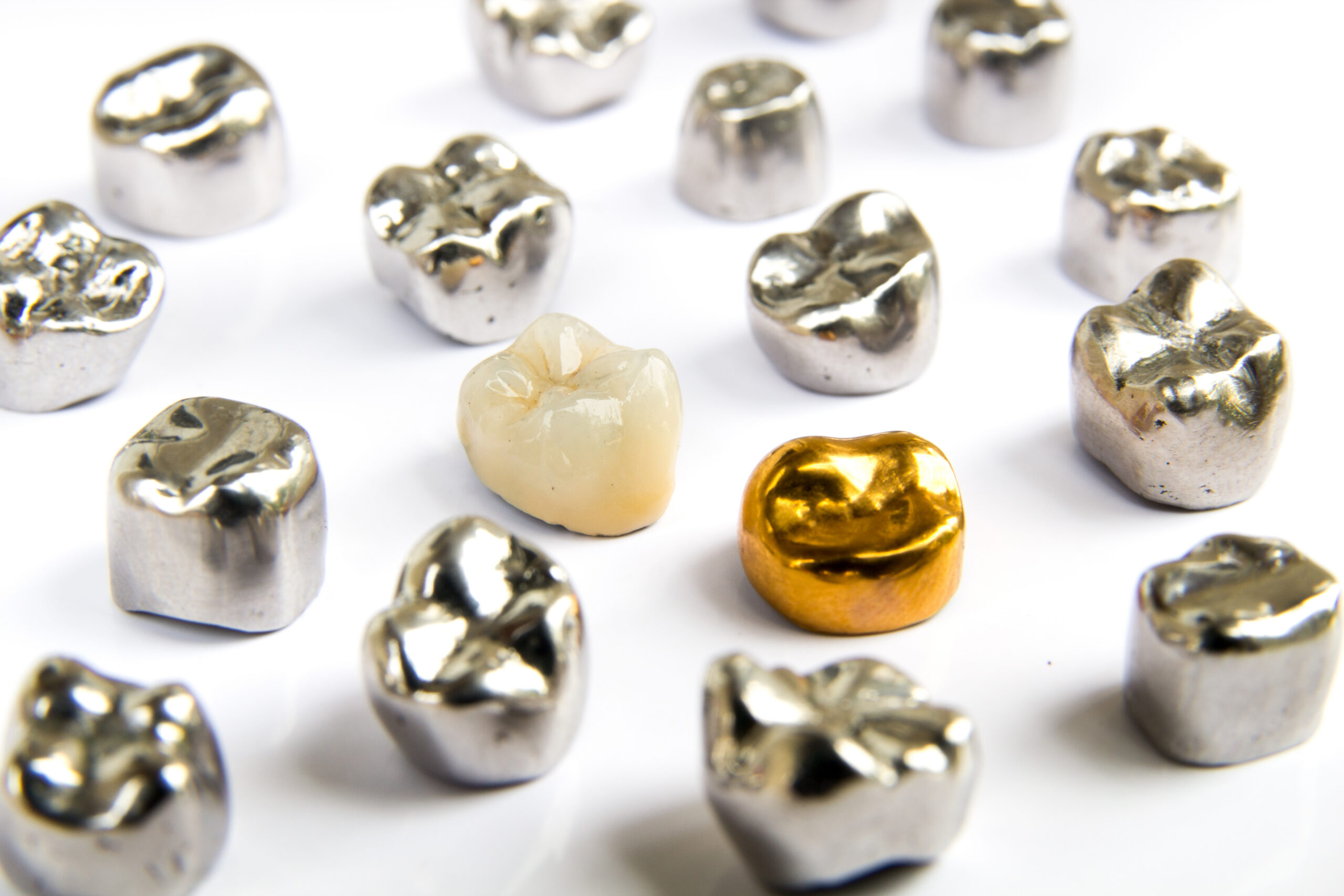
A dental crown restores a damaged, weakened, or significantly decayed tooth to full strength and function by capping it completely above the gumline. According to the National Institute of Dental and Craniofacial Research, tooth decay and structural damage are among the most common dental problems in adults — and crowns remain the most reliable long-term restoration when a tooth can no longer be repaired with a filling alone.
At Alber Dental Studio in Boulder, we offer CEREC same-day crowns — computer-milled, tooth-colored porcelain restorations fabricated and placed in a single visit. No temporary crowns, no second appointments, no waiting. Dr. Marc Alber and Dr. Lauren Llorente also place crowns as the final step after root canal treatment and over dental implants — making crowns one of the most versatile tools in restorative dentistry.
What Is a Dental Crown?
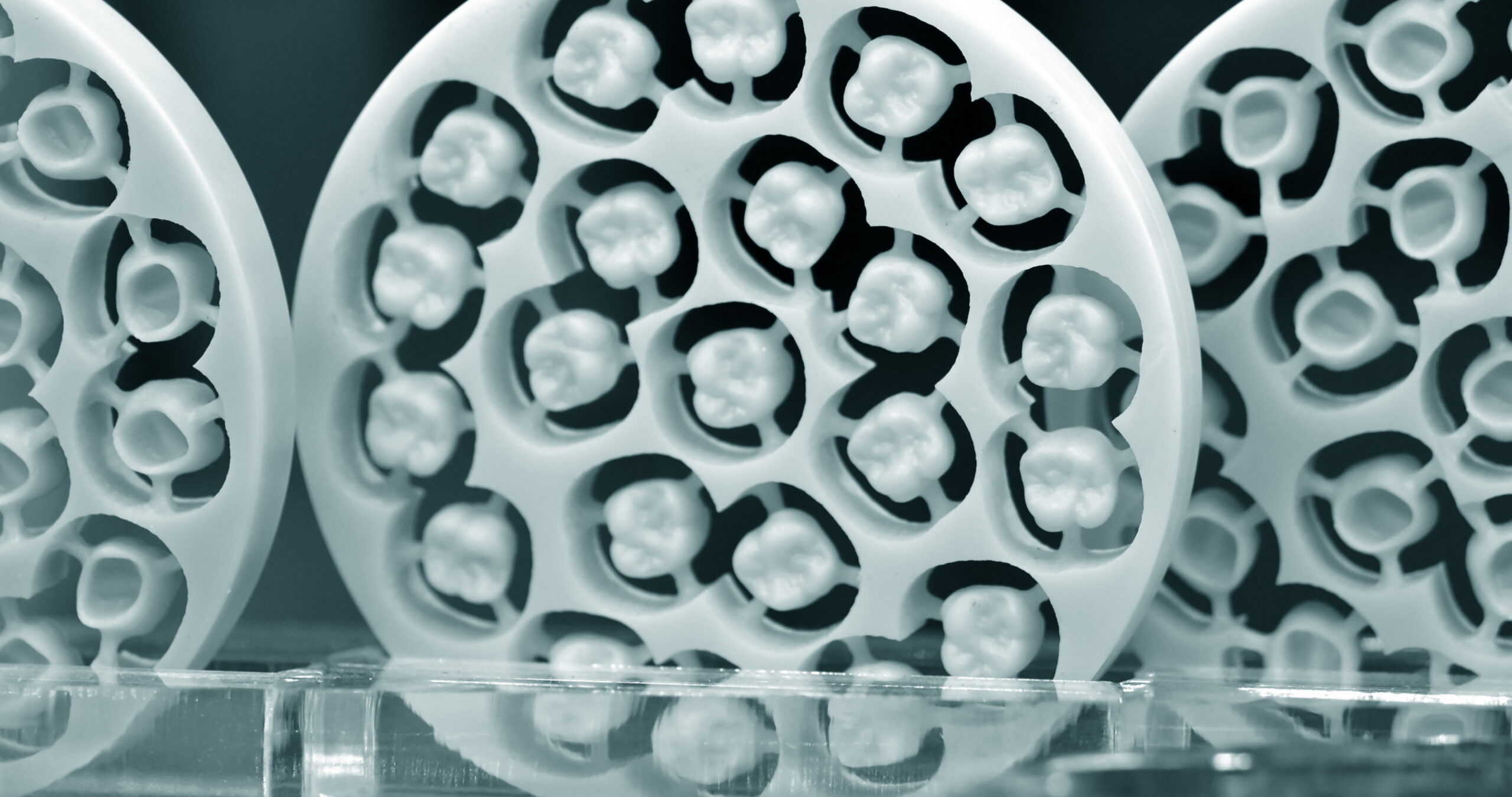
A dental crown is a custom-fabricated cap that covers the entire visible surface of a tooth down to the gumline. It restores the tooth’s shape, size, strength, and appearance — permanently. Crowns are made from tooth-colored porcelain, zirconia, or porcelain-fused-to-metal, and are bonded to the prepared natural tooth with a strong dental cement. Our CEREC in-office milling system allows us to design, mill, and place many crowns in a single appointment — eliminating the need for temporary restorations and lab wait times of two or more weeks.
A crown may be the right solution if you have:
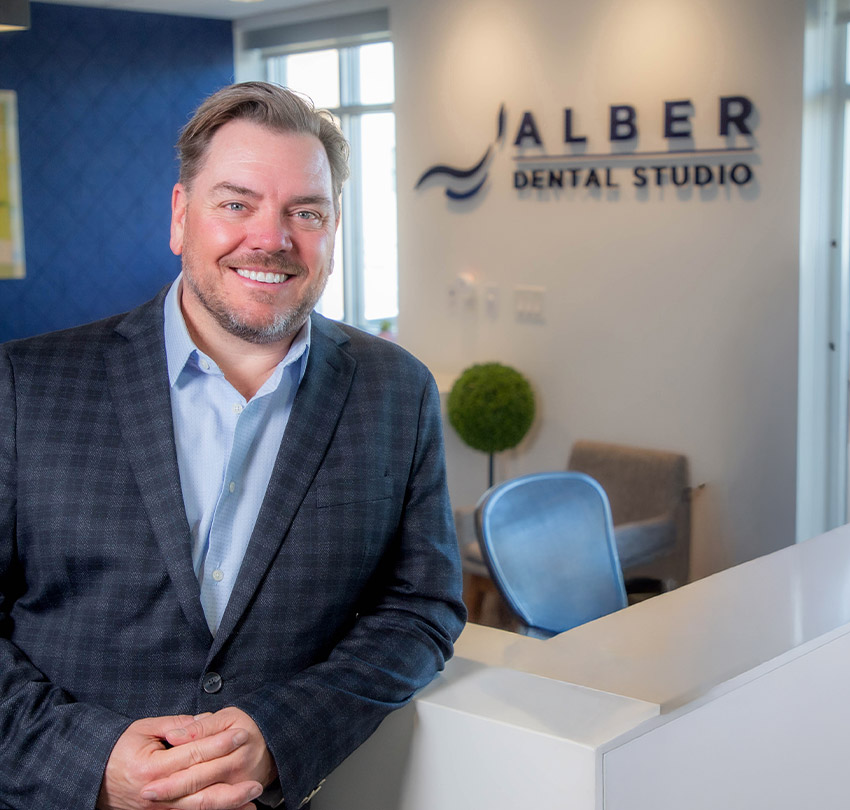
Dr. Marc Alber, DDS & Dr. Lauren Llorente, DDS
Dr. Alber and Dr. Llorente have placed crowns across the full spectrum of restorative and cosmetic cases — from straightforward post-root-canal coverage to full-mouth reconstruction cases involving multiple crowns placed over several visits. Both doctors design every crown for natural fit, proper bite alignment, and color-matched aesthetics, and they are known for taking the time to ensure patients are fully comfortable with the result before final placement.
As a fee-for-service practice, our crown recommendations are based entirely on clinical need — not on insurance reimbursement schedules. We offer 0% financing through CareCredit, Cherry, and Altheon, and can help you understand your estimated out-of-pocket cost before any treatment begins.
Getting a Crown at Alber Dental Studio
For CEREC same-day crowns, the entire process happens in one appointment. For cases requiring lab fabrication, we complete treatment across two visits.
- Have healthy teeth and gums with no untreated decay or gum disease
- Want to address stains, chips, gaps, or irregular tooth shape
- Maintain good daily oral hygiene habits
- Do not grind excessively, or are willing to wear a night guard
- Have sufficient enamel to support bonding
- Are looking for a long-term cosmetic investment
Dr. Alber will confirm veneers are the right fit during your consultation — and clearly explain any alternative if they’re not.
The Porcelain Veneer Process
Exam & Crown Design
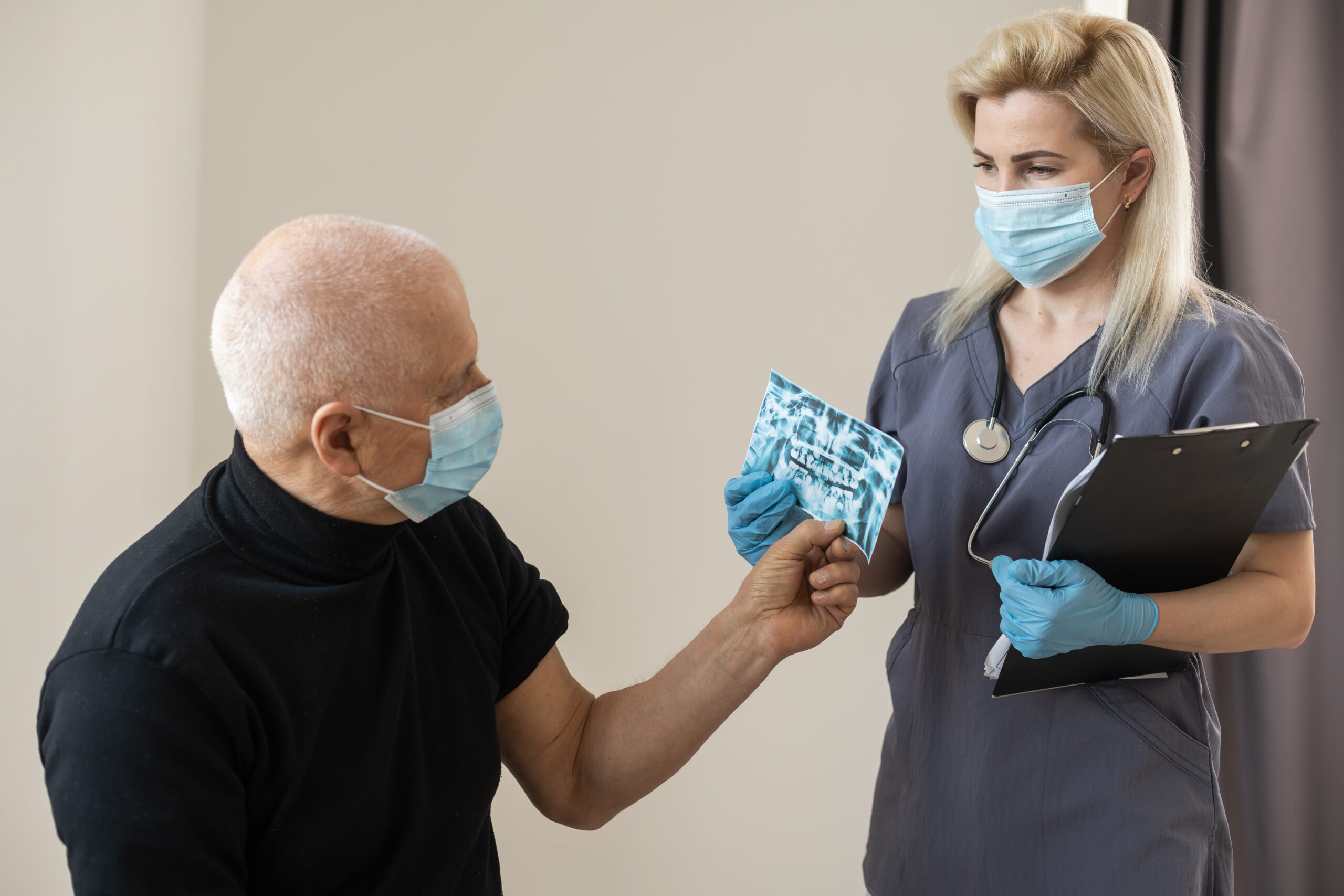
Dr. Alber examines the tooth, takes digital X-rays, and determines whether a crown is the appropriate restoration. For CEREC same-day cases, an intraoral scanner captures a digital impression of your tooth — no messy putty trays. The crown design is created on-screen and reviewed with you before milling begins.
Tooth Preparation
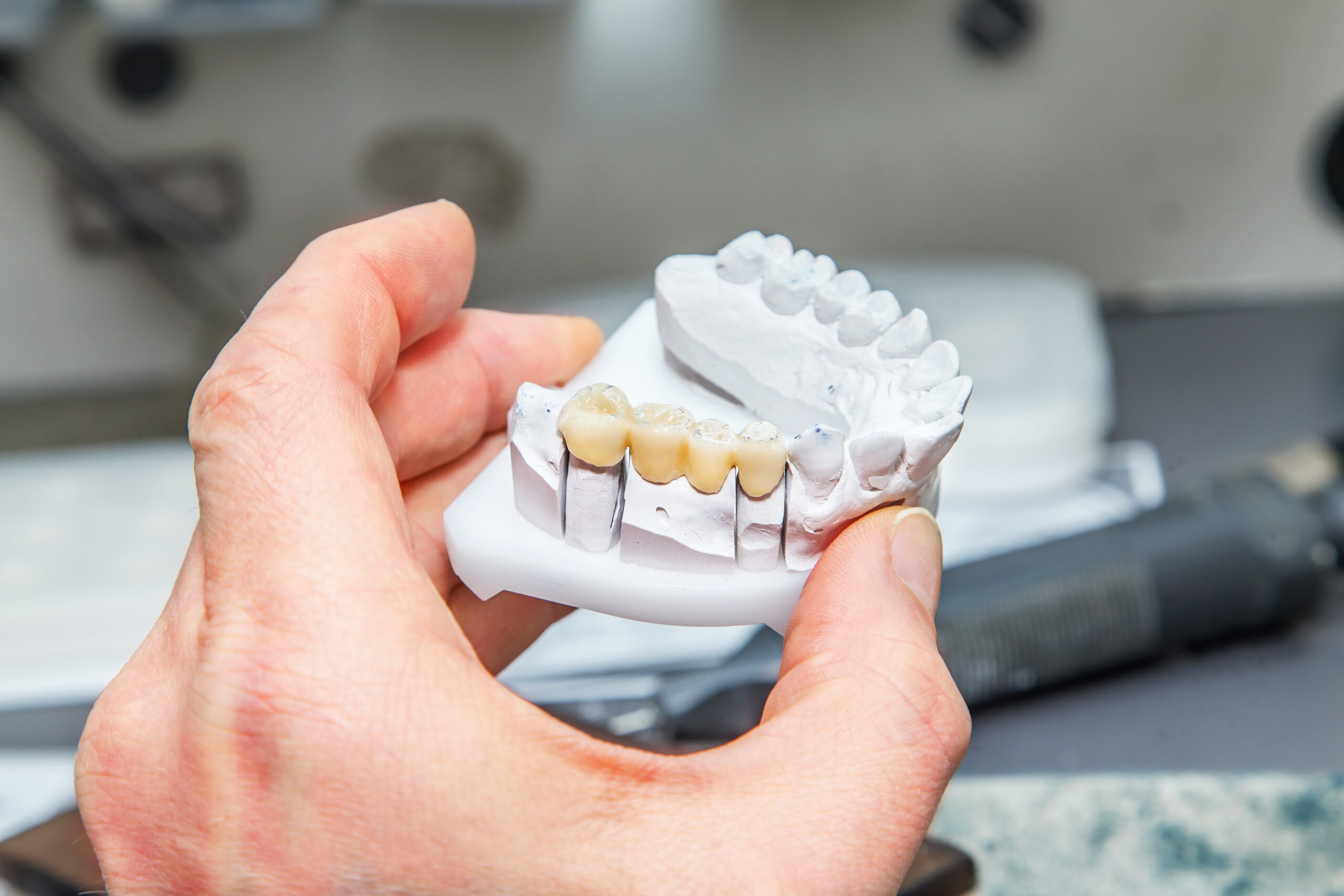
The tooth is shaped under local anesthesia to create a stable foundation for the crown. A thin, even layer of enamel is removed from all surfaces so the crown fits flush with adjacent teeth. For CEREC cases, the digital scan is taken after preparation and the crown is milled while you wait — typically 15–20 minutes. For lab cases, a physical impression or scan is sent to the lab and a temporary crown is placed to protect the tooth between visits.
Placement & Bite Check
The crown is seated over the prepared tooth, checked for fit, color match, and bite alignment. Minor adjustments are made chairside. Once both you and Dr. Alber are satisfied, the crown is permanently cemented and polished. For CEREC cases, the entire process — prep, scan, mill, seat — happens in one appointment, typically 2–2.5 hours total.
Bonding & Final Polish
Permanent veneers are placed, adjusted for fit and bite, bonded with light-cured adhesive, and polished for a seamless result.
Need a Crown? We Can Do It Today.
Our CEREC technology means most crown patients leave in a single visit — no temporaries, no second appointment, no waiting weeks for a lab. Schedule a consultation and we’ll let you know if same-day is right for your case.
CEREC Same-Day vs. Traditional Lab Crown
CEREC Same-Day Crowns vs. Traditional Lab Crowns
Both deliver excellent, durable results. The right choice depends on your case complexity and schedule.
| CEREC Same-Day | Traditional Lab Crown | |
|---|---|---|
| Appointments | One — typically 2–2.5 hours | Two — prep visit + seating visit 2–3 weeks later |
| Temporary crown | None needed | Placed while lab fabricates the permanent crown |
| Impressions | Digital intraoral scan — no putty trays | Physical impression or digital scan sent to lab |
| Material | Milled ceramic — strong, tooth-colored | Porcelain, zirconia, or PFM — lab-customized |
| Best for | Most straightforward crown cases; busy schedules | Complex cases requiring lab customization |
Caring for Your Crown
How to Make Your Crown Last
Crowns are durable and low-maintenance, but a few habits keep them in top condition:
The crown itself doesn’t decay, but the tooth underneath it can at the margin where the crown meets the gumline. Daily brushing and flossing — especially at that junction — keeps the margin clean and protected long-term.
Porcelain and ceramic crowns are strong but can chip under excessive force — avoid biting ice, hard candy, pens, or using your teeth to open packaging.
Grinding significantly shortens crown lifespan. A custom night guard is a simple, cost-effective way to protect your crown investment and your remaining natural teeth.
Six-month exams let Dr. Alber check crown margins and gum health around the restoration. Catching early issues — gum recession, marginal leakage, wear — means simpler fixes and longer crown life.
Dental Crowns With Flexible Payment Options
Dental crowns are often partially covered by insurance when placed for restorative reasons. As a fee-for-service practice, we provide full cost transparency before any treatment begins. We offer 0% financing through CareCredit, Cherry, and Altheon for patients who want to spread the cost over time.
Related Services
Services That Work With Crowns
Crowns are often part of a broader treatment plan. These services are commonly paired with crown placement.
A crown is the essential final step after root canal treatment. We offer CEREC same-day crowns so many patients can complete both in one visit.
An implant crown is placed after the implant post integrates with the jawbone. CEREC allows same-visit crown fabrication in many cases.
Crowns and veneers are both porcelain restorations — veneers cover only the front surface; crowns cap the whole tooth. Dr. Alber recommends the right option based on clinical need.
Cracked or broken teeth are dental emergencies. We see same-day patients in pain, including those who need emergency crown placement to stabilize a damaged tooth.
Read What Our Customers Are Saying
Common Questions
Frequently Asked Questions
How long do dental crowns last?
Porcelain and ceramic crowns typically last 10–15 years with proper care. Zirconia crowns can last 15–25 years. Longevity depends on oral hygiene habits, avoiding biting very hard objects, wearing a night guard if you grind, and keeping up with regular six-month exams so any early issues are caught before they compromise the crown.
Can I get a crown in one visit?
For CEREC same-day cases, yes — the entire process from prep through final seating typically takes 2 to 2.5 hours in one visit. For cases sent to a lab, the prep appointment is 60–90 minutes; the seating appointment two to three weeks later is another 30–60 minutes. Dr. Alber reviews your specific case before scheduling so you know exactly what to expect.
Is tooth sensitivity normal after a crown?
Some sensitivity to temperature is common in the first few days after crown placement while the tooth and surrounding tissue settle. It usually resolves on its own. If sensitivity persists beyond a week or worsens, contact our office — it may indicate a bite adjustment is needed or that the underlying tooth requires further evaluation.
How much does a dental crown cost?
Crown costs vary depending on material (porcelain, zirconia, or PFM) and case complexity. Crowns placed for restorative reasons are often partially covered by dental insurance. As a fee-for-service practice, we provide a full cost estimate before any treatment begins. We offer 0% financing through CareCredit, Cherry, and Altheon for patients who want to spread the cost over time.
Can a crowned tooth get a cavity?
The crown itself is made of porcelain or ceramic and cannot decay. However, the tooth structure underneath the crown can develop a cavity at the margin — the seam where the crown meets the gumline. Careful brushing and flossing at the gumline, along with regular professional cleanings, keeps the margin clean and prevents decay from forming under the crown.
What is the difference between a crown and a veneer?
A crown caps the entire tooth above the gumline — it is used when a tooth is damaged, decayed, or needs protection after a root canal. A veneer covers only the front surface and is used for cosmetic correction on otherwise healthy teeth. If the tooth has structural issues, a crown is the appropriate choice; if the tooth is healthy and the goal is purely aesthetic, a veneer may be the better option. Dr. Alber reviews your specific situation and recommends the most conservative treatment that achieves the result you need.
Restore Your Smile in One Visit
Dr. Marc Alber and Dr. Lauren Llorente have placed crowns across the full range of restorative cases for over 26 combined years. Our CEREC technology means most patients leave with a permanent crown in a single visit — no temporaries, no second trip, no waiting. Our fee-for-service practice in Boulder serves patients throughout Superior, Louisville, Broomfield, Longmont, Erie, and the surrounding Front Range. Schedule your consultation online or call our team to get started.