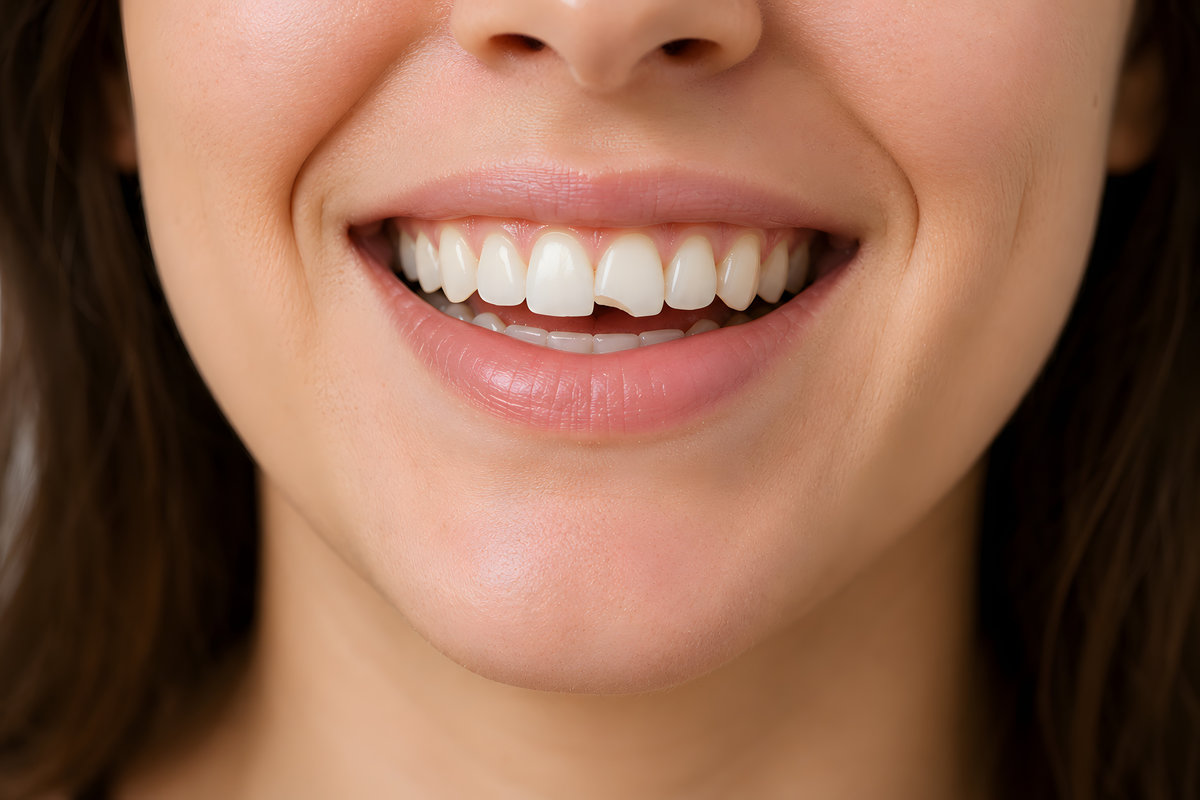
A chipped tooth does not have to stay that way, and a small gap between your front teeth does not have to define your smile. For millions of people, minor cosmetic concerns like these sit somewhere between “not worth major treatment” and “I really wish I could change that” — and that is exactly the space composite bonding was designed to fill. It is one of the most accessible, minimally invasive options in cosmetic care, capable of producing genuinely striking results in a single visit.
At Alber Dental Studio in Boulder, our team brings 26+ years of experience to every cosmetic case — including the artistry required to make composite bonding results look completely natural. Whether you are dealing with a chipped edge, a slight gap, or stubborn discoloration, we can walk you through whether this treatment fits your goals.
What Composite Bonding Actually Is
Composite bonding is a cosmetic dentistry procedure in which a tooth-colored resin material is applied directly to a tooth’s surface, shaped by hand, and then hardened with a curing light. The resin bonds to the tooth at a microscopic level, becoming a durable part of the tooth’s structure. When done well, it blends seamlessly with your natural enamel and is invisible under normal conditions.
According to the Cleveland Clinic, the procedure typically takes between 30 and 60 minutes per tooth and can usually be completed in a single office visit. Unlike porcelain veneers or crowns, composite bonding usually requires little to no removal of existing tooth structure, which makes it one of the more conservative choices available for cosmetic improvements.
What It Can Fix
Composite bonding addresses a specific range of cosmetic concerns well. It works best for isolated issues on visible teeth and is a strong option when the problem does not require more extensive structural restoration. The following are among the most common reasons patients pursue this treatment:
- Chipped or fractured edges: resin can rebuild a broken corner or worn edge to restore the original shape of a tooth
- Gaps between teeth: bonding material can be added to the sides of teeth to close or reduce small spaces without orthodontic treatment
- Surface discoloration: stains or spots that do not respond to whitening can be covered with a shade of resin matched to your surrounding teeth
- Irregular shape or size: teeth that appear too small, too short, or slightly misshapen can be built up for a more proportional look
- Minor recession exposure: in some cases, bonding can cover sensitive root surfaces exposed by gum recession
For patients with more complex cosmetic goals, bonding is often discussed alongside porcelain veneers or smile makeover planning, since the right approach depends on the number of teeth involved and the overall result you are hoping to achieve.
What to Expect During the Procedure
One of the reasons composite bonding is so popular is that the process is straightforward. There is typically no need for anesthesia unless bonding is being used to treat a tooth near a decayed area. Your dentist will begin by selecting a resin shade that closely matches your natural tooth color, then lightly condition the tooth surface to help the material adhere. The resin is applied, shaped, and refined until the contour looks natural, then hardened in place with a curing light. Final polishing brings the surface to a smooth, natural-looking finish.
The skill involved in shaping the resin matters more than many patients realize. Getting the contour, bite, and color to read naturally requires both a trained eye and experience with how composite behaves. It is worth choosing a provider who approaches cosmetic work with that level of care rather than treating bonding as a purely mechanical task.
How Long It Lasts and How to Care for It
Composite resin is durable, but it does require some awareness. With good oral hygiene and routine care, bonding typically holds up well for several years before any touch-up is needed. A few habits will help protect your results: avoid biting directly into very hard foods like ice or hard candy with the bonded teeth, keep up with regular professional teeth cleanings, and note that composite resin can absorb surface stains over time from coffee, tea, or tobacco. If you are considering professional teeth whitening, it is best to complete whitening before bonding so the resin shade can be matched to your brightened teeth — the resin itself will not respond to whitening treatment afterward.
Schedule a Consultation at Alber Dental Studio
If you have a cosmetic concern that has been on your mind, composite bonding may be a faster and simpler solution than you expect. At Alber Dental Studio in Boulder, Dr. Marc Alber and Dr. Lauren Llorente take the time to understand your goals before recommending any treatment, and we offer flexible payment options including CareCredit, Cherry, Altheon, HSA/FSA, our in-house Membership Plan, and cash, check, or credit card to help make care accessible.
Whether bonding is the right fit or another cosmetic option makes more sense for your situation, we are here to give you the information you need to feel confident in your decision. Contact us to schedule a consultation and find out what is possible for your smile.