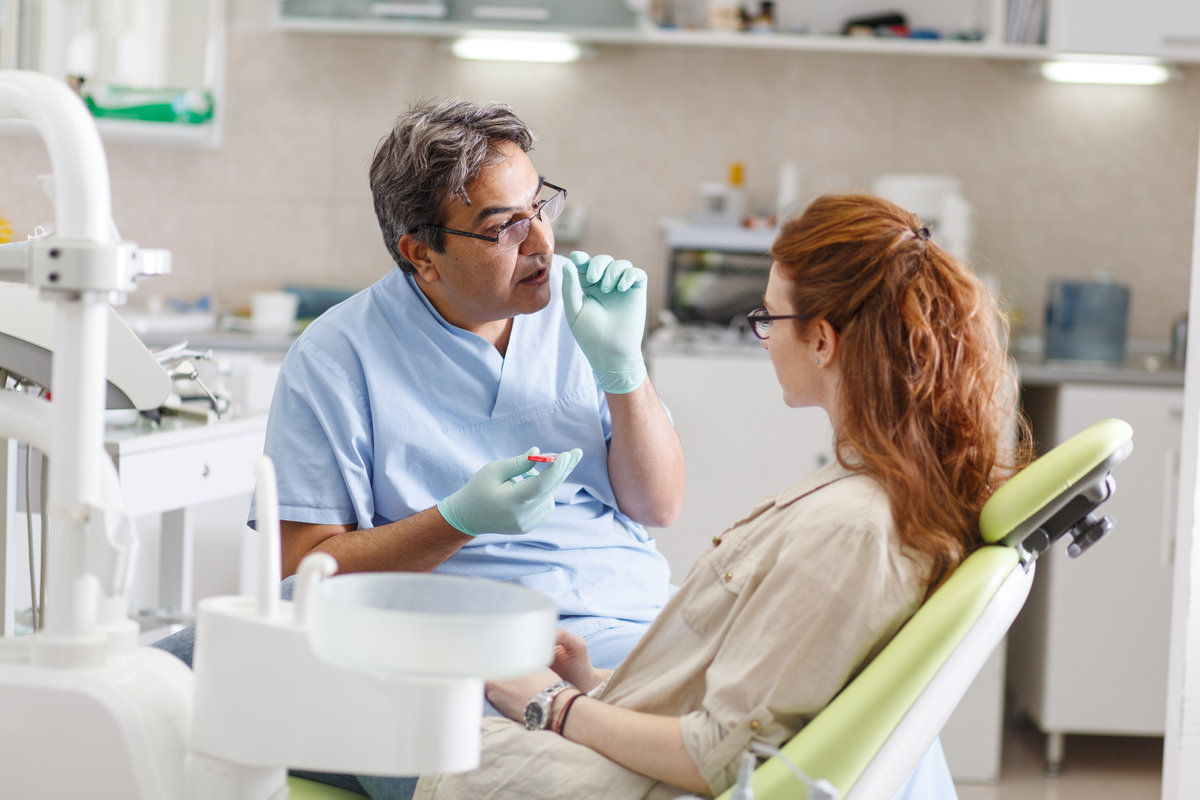
Easter baskets tend to arrive loaded with sugar, and most of it lands on teeth before the morning is over. Not all candy causes the same amount of damage, though. The type of sweet, how long it stays in contact with your teeth, and what you do afterward all factor into whether the holiday weekend leads to a dental problem down the line.
The team at Alber Dental Studio in Boulder sees the effects of sugar on teeth throughout the year and at family dental exams following every holiday season. A few informed choices in the basket can make a noticeable difference.
The Candies Most Likely to Cause Damage
Sticky and chewy sweets do the most consistent harm to teeth. Jelly beans, taffy, caramel-filled eggs, and gummy candies cling to tooth surfaces and settle into grooves long after you stop eating them. Bacteria in the mouth feed on that residual sugar and produce acid, which attacks enamel over time.
Sour candies add another risk: most sour varieties are highly acidic, with a pH that can rival vinegar. Acid exposure softens enamel directly, independent of sugar content. Eating sour candy throughout the day keeps enamel in an extended weakened state, making it more vulnerable to decay and sensitivity later.
Hard candies are often underestimated. They take several minutes to dissolve, bathing teeth in sugar the entire time. They also carry a risk of chipping or cracking a tooth if bitten down on unexpectedly.
Better Choices for the Easter Basket
Switching a few items in the basket does not mean skipping candy altogether. Solid dark chocolate is the most practical alternative: it melts quickly, spends less time on the tooth surface than sticky varieties, and contains less sugar than milk chocolate. Some research suggests compounds in cocoa may have mild antibacterial properties, though moderation still matters.
Peanut butter cups, nut clusters, and similar combinations dissolve faster than chewy varieties and tend to contain less concentrated sugar per serving. Sugar-free gum with xylitol is another useful addition to the basket: it stimulates saliva, which helps clear sugar and neutralize acid after a meal.
Non-candy items round out a healthier Easter basket. Small toys, sticker books, or age-appropriate oral hygiene items balance out the sweets and give kids something to enjoy that does not involve sugar at all.
What to Do After Easter Treats
Timing helps. Eating candy at the end of a meal rather than as a standalone snack is better for teeth because saliva production is already elevated and begins washing away residue naturally. Drinking water after sweets rinses away loose sugar before it settles.
Brushing after candy is beneficial, but wait at least 30 minutes after eating acidic foods before brushing. Enamel softened by acid is temporarily more vulnerable to abrasion, so brushing immediately after something sour can do more harm than waiting. Fluoride toothpaste helps remineralize enamel over time with consistent use.
Flossing before bed is especially important on high-sugar days. Candy residue caught between teeth cannot be reached by brushing alone and creates an ideal environment for cavity formation overnight.
Signs a Post-Holiday Checkup Is Worth Scheduling
Sensitivity to cold or sweet foods, visible dark spots on tooth surfaces, and pain when biting down can all indicate early-stage issues. These symptoms are worth reporting rather than waiting for the next scheduled exam. Caught early, most cavities are straightforward to treat. The general dentistry team at Alber Dental Studio can evaluate any concerns and confirm whether decay is present.
Schedule Your Spring Exam at Alber Dental Studio
After the holiday weekend, it is a good time to get your family’s next dental checkup on the calendar. Contact Alber Dental Studio in Boulder to schedule spring appointments for your whole family and keep teeth healthy through the seasons.
How soon after Easter should children have a dental checkup if they ate a lot of candy?
If your child is already on a regular six-month schedule, no special visit is necessary. If you notice new sensitivity, dark spots, or complaints of tooth pain after a high-sugar holiday, it is worth calling to have those specific concerns evaluated sooner.
Is dark chocolate actually better for teeth than other candy?
Dark chocolate dissolves quickly and spends less time on tooth surfaces than sticky or hard varieties, making it a lower-risk option. It still contains sugar, so moderation matters. It is better by comparison, not harmless in unlimited amounts.
Can xylitol candy actually protect teeth?
Xylitol is a sugar alcohol that cavity-causing bacteria cannot metabolize. Regular consumption in gum or mints has been shown to reduce the bacterial load in the mouth over time. It is most effective when consumed in small amounts multiple times per day rather than in a single large dose.
My child cracked a tooth on hard candy. What should we do?
Contact your dental practice as soon as possible. A cracked tooth requires evaluation to assess the extent of the damage. Depending on where the crack is and how deep it goes, options may include bonding, a crown, or additional treatment. Do not wait to see if it resolves on its own.