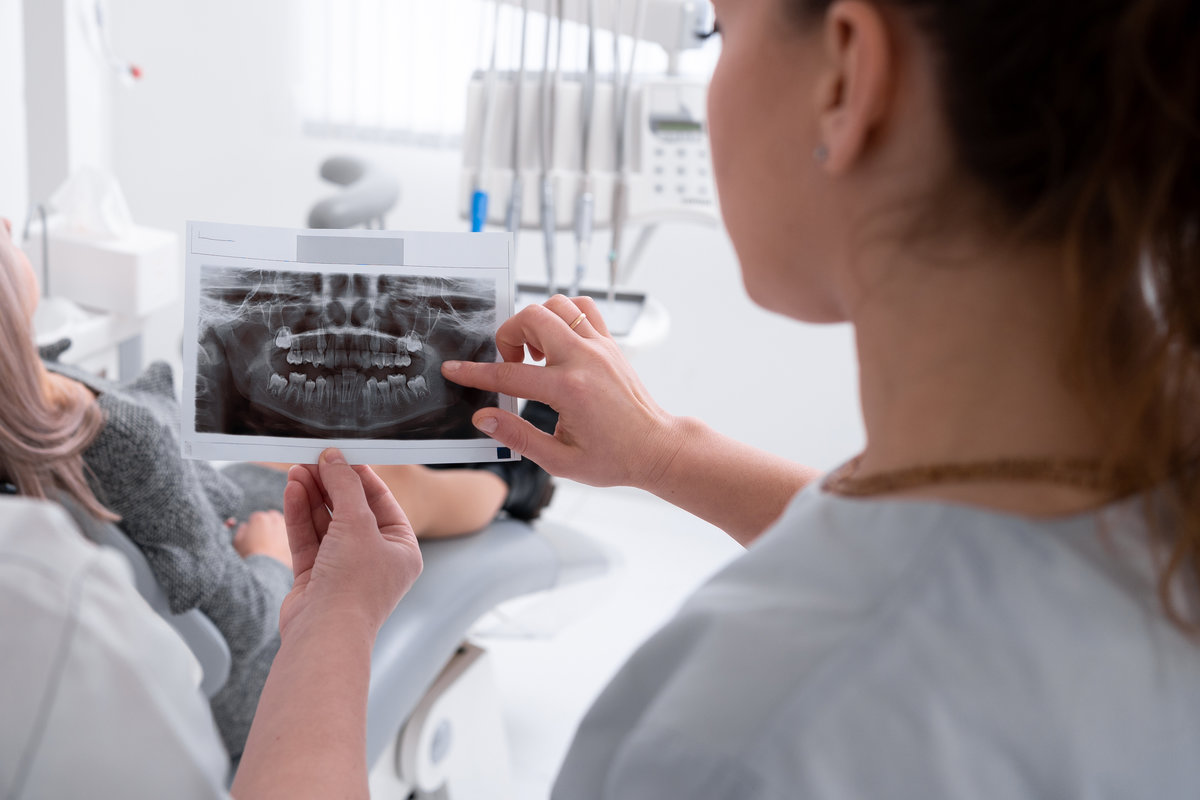
A single dark tooth can be hard to ignore, especially when the rest of your smile looks healthy. Maybe one front tooth has slowly started to look gray, brown, or yellow after an old injury or a past root canal, and now it seems to stand out every time you talk or laugh. What makes it even more frustrating is that the rest of your teeth may look fine, so a full cosmetic treatment plan can feel like too much for one stubborn concern.
The good news is that a discolored non-vital tooth often responds well to a targeted, tissue-sparing treatment rather than a crown or veneer. At Alber Dental Studio in Boulder, we use internal bleaching as part of our endodontic care to lighten teeth from the inside out, restoring a natural shade while keeping as much of your own tooth structure as possible.
Why a Single Tooth Darkens From the Inside
Most stains from coffee, wine, or normal enamel changes sit closer to the surface, which is why traditional whitening can often help. A single dark tooth is different. The color usually comes from inside the tooth, often after an old injury or a root canal has affected the inner pulp.
When that happens, tiny remnants of blood or pulp tissue can break down and settle into the dentin, leaving the tooth with a gray, brown, or yellowish tint. Materials left behind from past treatment can also play a role. Because the discoloration is coming from within the tooth, whitening strips and trays cannot really reach the source. That is why one tooth may keep standing out, even when the rest of your smile responds well to whitening.
How Internal Bleaching Works
Internal bleaching, sometimes called the walking bleach technique, works from inside the tooth rather than trying to whiten it from the outside. Instead of covering the discoloration, the treatment targets the source of the darker shade.
Placing the Bleaching Agent
With the pulp already removed during prior root canal therapy, we can place a bleaching agent directly inside the tooth, where the stain actually resides. We start by gently accessing the inner chamber and placing a small protective barrier to seal off the root below. A whitening agent is then sealed inside, where it breaks down the pigments trapped in the dentin. A 2022 clinical study published in Medicina followed 30 root canal-treated teeth and found no statistically significant difference in bleaching success between the walking bleach, in-office, and combined techniques. It also found that how long ago the root canal was completed affected how well the bleaching worked.
What to Expect During Treatment
The process often takes more than one visit. We may refresh the bleaching agent every several days and ask you to keep an eye on the shade at home, so we can stop as soon as the tooth blends with its neighbors and avoid over-bleaching it. Once the color looks right, we close the tooth with a permanent restoration to protect it for the long term.
Limits and What to Watch For
Internal bleaching is meant for teeth that have already had root canal treatment, and results can vary from one tooth to the next. A bleached tooth may also darken again over time. Dental research reviews describe external cervical resorption, a loss of root structure near the gum line, as the most serious risk of bleaching a root canal-treated tooth, and a protective barrier at the base of the chamber helps lower that risk.
A consultation lets us check whether your tooth is a good candidate before we begin. If you notice pain, swelling, or a change in the tooth or gum after treatment, contact our office right away, and seek emergency care for swelling that spreads or trouble breathing.
A Conservative Choice Compared to Veneers and Crowns
When one tooth looks darker than the others, many patients assume a veneer or crown is the only way to fix it. Those treatments can create beautiful results, but they also require permanently changing a tooth that may still be healthy. Internal bleaching lets us improve the color first, before moving on to anything more involved. For the right candidate, starting with the more conservative option can have real benefits:
- It preserves your natural tooth structure rather than removing healthy enamel and dentin.
- It can cost less than a custom veneer or crown, depending on your treatment plan.
- It keeps cosmetic options like porcelain veneers open if you ever want them later.
The table below shows how the three options compare at a glance.
Comparison of internal bleaching, porcelain veneers, and dental crowns
| |
Internal Bleaching |
Porcelain Veneer |
Dental Crown |
| Best suited for |
A darkened tooth that has already had root canal treatment |
Changing the color, shape, or look of a visible tooth |
A tooth that is cracked, worn, or heavily filled |
| How it works |
Lightens the tooth from the inside |
Bonds a thin porcelain shell to the front of the tooth |
Covers the tooth above the gum line |
| Tooth structure |
Preserves most of the natural tooth |
Usually removes some enamel |
Usually reshapes the whole tooth |
| Later options |
A veneer or crown can still follow |
A permanent change to the tooth |
A permanent change to the tooth |
If bleaching does not fully resolve the shade, other cosmetic dentistry options can still be considered, so there is little to lose by starting with the gentlest approach. For many people with a tooth that has darkened from the inside, this kind of measured, step-by-step plan makes the most sense.
Restore Your Smile at Alber Dental Studio
A single discolored tooth does not always mean you need major dental work. Internal bleaching can lighten a non-vital tooth from within while preserving more of the natural structure and keeping future treatment options open. With more than 26 years of experience caring for Boulder smiles, Dr. Marc Alber takes a conservative, results-driven approach, using modern same-day technology to help patients choose the gentlest option that will still deliver a natural-looking result.
If one dark tooth has been bothering you, we would love to take a look and talk through whether internal bleaching is right for you. You can reach our team through our contact page to schedule a consultation and take the first step toward a smile that matches.