Dental anxiety is real, it is common, and it should never stand between you and the care your smile needs. Whether you feel a flutter of nerves before a routine cleaning or dread a more involved procedure, sedation dentistry offers a straightforward solution: a treatment you can get through comfortably, without white-knuckling the armrests.
At Alber Dental Studio, Dr. Marc Alber and our team have helped Boulder patients manage dental anxiety for over 26 years. We offer two forms of sedation, both designed to keep you calm, comfortable, and in control so you can receive the care you need without added stress.
What Is Sedation Dentistry?
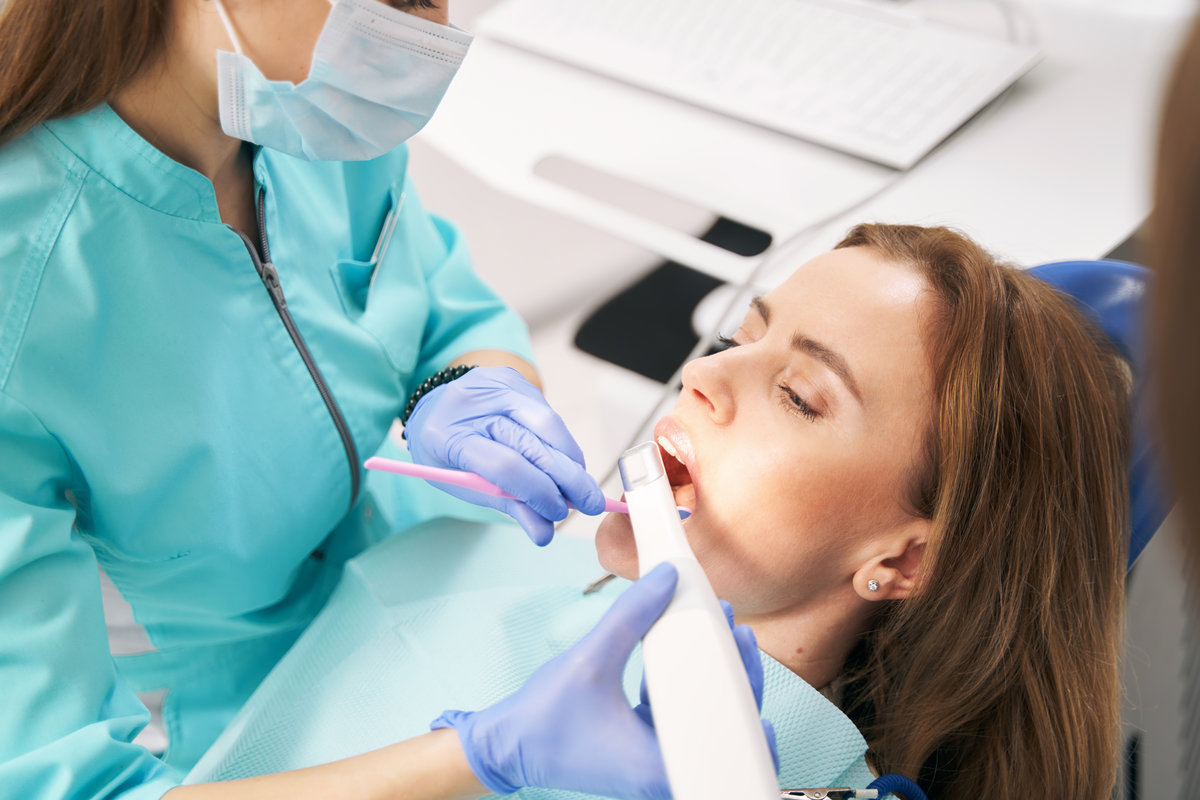
Sedation dentistry uses medication to help patients relax during dental procedures. It is not the same as general anesthesia, which renders a person fully unconscious. With dental sedation, you remain aware and able to respond, but your nerves settle, and discomfort fades into the background. Nitrous oxide mixed with oxygen is one of the most widely used sedation methods in dentistry, and a 2023 review of nitrous oxide sedation in dentistry describes serious adverse events as rare. Screening still matters, though, which is why we review your health history, medications, and any recent illness before recommending an option.
Sedation may be recommended for patients who feel anxious about dental visits, have a strong gag reflex, need to sit through longer procedures, or simply want a more relaxed experience. The right option depends on your level of anxiety and the nature of your treatment.
Nitrous Oxide: A Mild and Fast-Acting Option
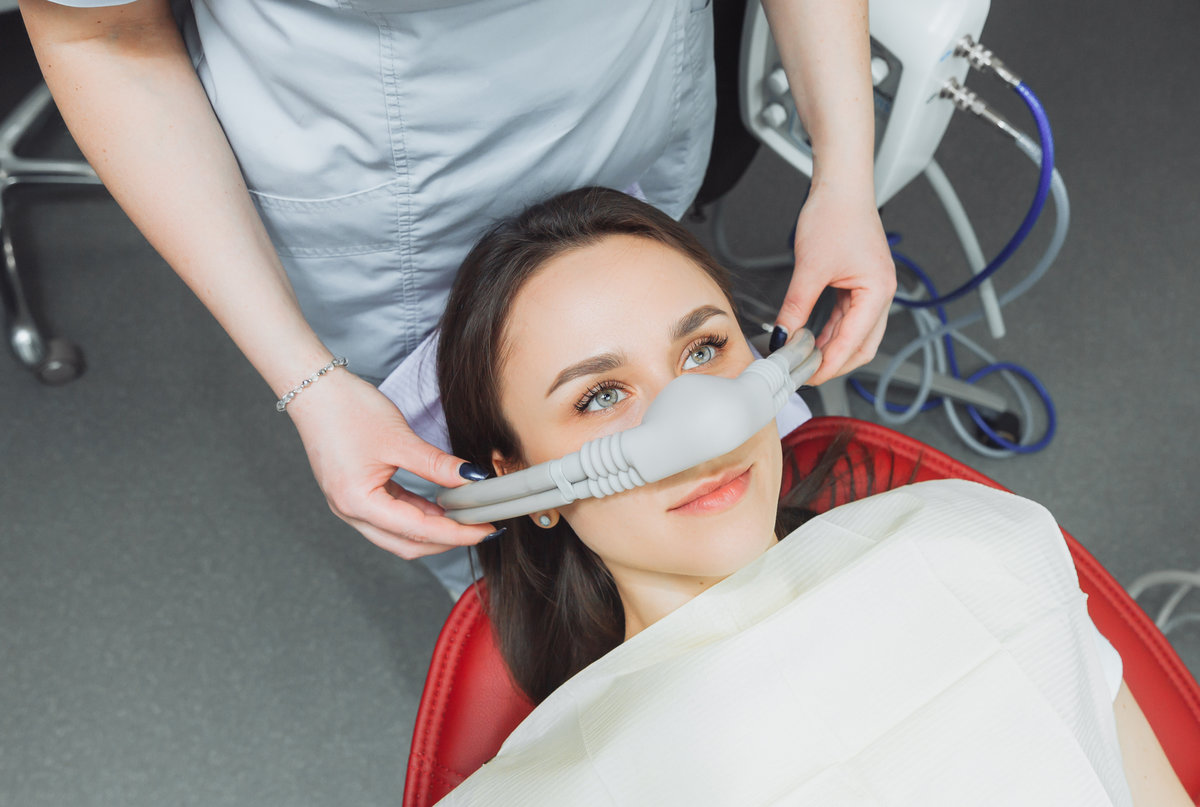
Nitrous oxide, often called laughing gas, is the lighter of the two sedation options we offer. It is inhaled through a small, comfortable mask placed over your nose, and the effects take hold within minutes. You will feel relaxed and at ease, yet remain fully conscious and able to communicate throughout your appointment.
How It Works
The gas is delivered in a carefully calibrated mix of nitrous oxide and oxygen. Your care team can adjust the level throughout the procedure to keep you comfortable. Once the mask is removed, the effects wear off quickly, and many patients get back to their normal routine afterward. The same review notes that fine motor skills may take about 15 minutes to fully return, so your dentist will tell you when it is safe to drive and to hold off on tasks that need close attention.
Who It Is Best For
Nitrous oxide works well for patients with mild to moderate anxiety or those undergoing shorter, less involved procedures. It is also a great fit for busy Boulder patients who need to get back to work or other responsibilities after their appointment. For patients receiving restorative dentistry or routine general dentistry care, laughing gas often provides just the right level of relief.
Oral Conscious Sedation: Deeper Relaxation for More Involved Visits
Oral conscious sedation involves taking a prescribed pill, typically about an hour before your appointment, and your dentist will give you exact instructions. By the time you arrive, you will feel significantly calmer, and many patients become drowsy enough to doze lightly during their treatment. You remain conscious and can respond if needed, but the experience of the appointment fades considerably.
The effects of oral sedation last longer than nitrous oxide and vary from patient to patient based on the medication and individual response. Because of this, you will need someone to drive you to and from your visit. Some patients remember little of the procedure afterward, though this varies from person to person.
Oral conscious sedation is a good match for patients who experience moderate to severe dental anxiety or those undergoing lengthier, more complex procedures. It is also a helpful choice for patients whose anxiety makes it difficult to sit still or stay calm during treatment.
Choosing the Right Sedation Option
Neither sedation method is inherently better than the other. The best choice comes down to your comfort level, the type of procedure you need, your health history, and how much of the day you can set aside for recovery. The table below shows the key differences at a glance.
Comparison of nitrous oxide and oral conscious sedation
Nitrous Oxide
Oral Conscious Sedation
How it is given
Inhaled through a small mask over the nose
A prescribed pill, typically taken about an hour before
Level of relaxation
Mild
Deeper, and some patients doze lightly
How quickly it wears off
Quickly after the mask is removed
Lasts longer and varies by patient
Ride home
Your dentist will tell you when it is safe to drive
A driver is needed to and from your visit
Often chosen for
Mild to moderate anxiety and shorter procedures
Moderate to severe anxiety and longer procedures
Tell us before your sedation visit
Sedation is not right for everyone. Share your health history, any pregnancy, and every medication and supplement you take, because these can affect which option is safe for you. Both options keep you conscious and responsive throughout treatment.
Your dentist will help guide you toward the option that best fits your situation and comfort needs.
Find Relief at Alber Dental Studio in Boulder
Dental anxiety should never mean putting off care that matters. Both nitrous oxide and oral conscious sedation give you real options for getting through appointments with more ease. Dr. Marc Alber, a Spear Faculty member and longtime Boulder dentist, takes a patient-first approach to your comfort from the moment you walk in.
"Alber dental is a truly outstanding practice. By far the best dental practice I have visited. Every person there cares deeply about their"Read More- Shawn English
"A true 5 stars experience. I’m a new patient. Had a great experience under the care of two lovely and skilled hygienists, both"Read More- Peter Wise
"Having recently moved to Boulder, I feel lucky to have found this dental practice. They carefully diagnosed and quickly addressed the problems I"Read More- Marybeth Neal
"I had a very good experience at Alber Dental. The technology is modern and efficient with crowns and onlays completed in under two"Read More- Liz Weiss
"Dr. Alber is the best. He employs the best hygienists who use the best instruments, he provides the latest gadgets ensuring patient comfort."Read More- Elizabeth Eckerdt
"I have been a patient of Dr. Alber for several years now, and am very pleased with him and his team. They are"Read More- Larry Parrish
"We LOVE going here and feel such a relief to have them! Wouldn’t want any other dentist for my family."- Miranda Encina
"Whole office is supportive and friendly. Dr. Alber is skilled and works quickly."- Carolie Coates
"I’ve been a patient for 20+ years. Goes to show that I rather not try any other dentist. Every one of Dr Alber’s"Read More- Amalia
"Absolutely the best experience I’ve ever had!! I’m extremely picky about dentists and hygienists. This team has it dialed in to the moon"Read More- Jasmine Rice
Alber dental is a truly outstanding practice. By far the best dental practice I have visited. Every person there cares deeply about their patients and providing a comfortable, relaxing and extremely professional experience for their guests. Cannot recommend highly enough.
A true 5 stars experience. I’m a new patient. Had a great experience under the care of two lovely and skilled hygienists, both highly knowledgeable and with good manner. My interactions with Dr Alber were also very pleasant, filled with great info and advice and without the feeling badgering salesmanship of upselling me on orthodontics I know I don’t need. Overall, very content and will be happy to return.
Having recently moved to Boulder, I feel lucky to have found this dental practice. They carefully diagnosed and quickly addressed the problems I had with a couple of teeth. All of the staff are very knowledgeable and communicate well.I feel that they know and care about their patients, and I’ve learned a lot about teeth!
I had a very good experience at Alber Dental. The technology is modern and efficient with crowns and onlays completed in under two hours. Everyone I interacted with are professional, polite and happy to answer questions. On top of that, they accept my insurance.
Dr. Alber is the best. He employs the best hygienists who use the best instruments, he provides the latest gadgets ensuring patient comfort. The office is comfortable. I will never have another dentist
I have been a patient of Dr. Alber for several years now, and am very pleased with him and his team. They are professional, compassionate, and efficient. I highly recommend them.