
27+
Years Serving Boulder
735+
Five-Star Google Reviews
3
Financing Options Accepted
100%
Fee-for-Service Practice
Successful dental implant placement depends on having enough healthy bone to anchor the implant securely and support it long-term. When bone volume has been lost through tooth loss, periodontal disease, or other causes, a bone graft can rebuild the necessary foundation. Bone grafting is one of the most important preparatory procedures in implant dentistry — it is what allows patients who would otherwise lack adequate bone to become viable implant candidates, as detailed in NIDCR bone graft guidance.
At Alber Dental Studio, bone grafting is performed as part of our comprehensive oral surgery and dental implant services. Dr. Marc Alber evaluates bone volume and density thoroughly before recommending grafting, using imaging that gives a clear picture of the existing bone architecture. His 26+ years of clinical experience informs every decision about when grafting is necessary, what type of graft material is appropriate, and how the grafting timeline fits into the overall implant plan. We handle the full implant process from graft to final restoration at our Boulder office.

Why Bone Grafting Is Necessary for Implants
When a tooth is lost, the bone that surrounded its root no longer receives the stimulation it needs to maintain its density and volume. The body begins to resorb that bone, a process that continues progressively over months and years. The jaw can lose a significant portion of its bone volume in the area of a missing tooth within the first year following extraction. An implant needs a minimum amount of healthy bone to be placed successfully — if that bone is not present, a graft must be performed first to rebuild it.
There are several types of bone grafts used in dentistry. A socket preservation graft, placed at the time of tooth extraction, is the most efficient way to prevent the bone loss that would otherwise follow extraction. If a patient already has bone loss in the implant site due to past tooth loss or periodontal disease, a ridge augmentation graft restores volume to the site before implant placement. Sinus lifts are a specialized form of grafting used when the upper back molars need to be replaced with implants but the sinus floor has dropped too close to the planned implant position, leaving insufficient bone height. Each of these grafting procedures follows the same principle: place bone graft material in the deficient area, allow it to integrate with the existing bone over a healing period of several months, and then proceed with implant placement into a solid, well-vascularized site.
Graft materials come from several sources. Autogenous bone, taken from the patient’s own body, is the biological gold standard but requires a second surgical site. Allograft bone, sourced from a human donor and processed to be sterile and biocompatible, is the most commonly used material in dental bone grafting. Xenograft bone, typically derived from bovine sources, is also widely used and well-documented. Synthetic graft materials are available as well. Dr. Alber selects the appropriate material for each case based on the defect type, site requirements, and patient preference.
The Bone Grafting Procedure and Healing Timeline
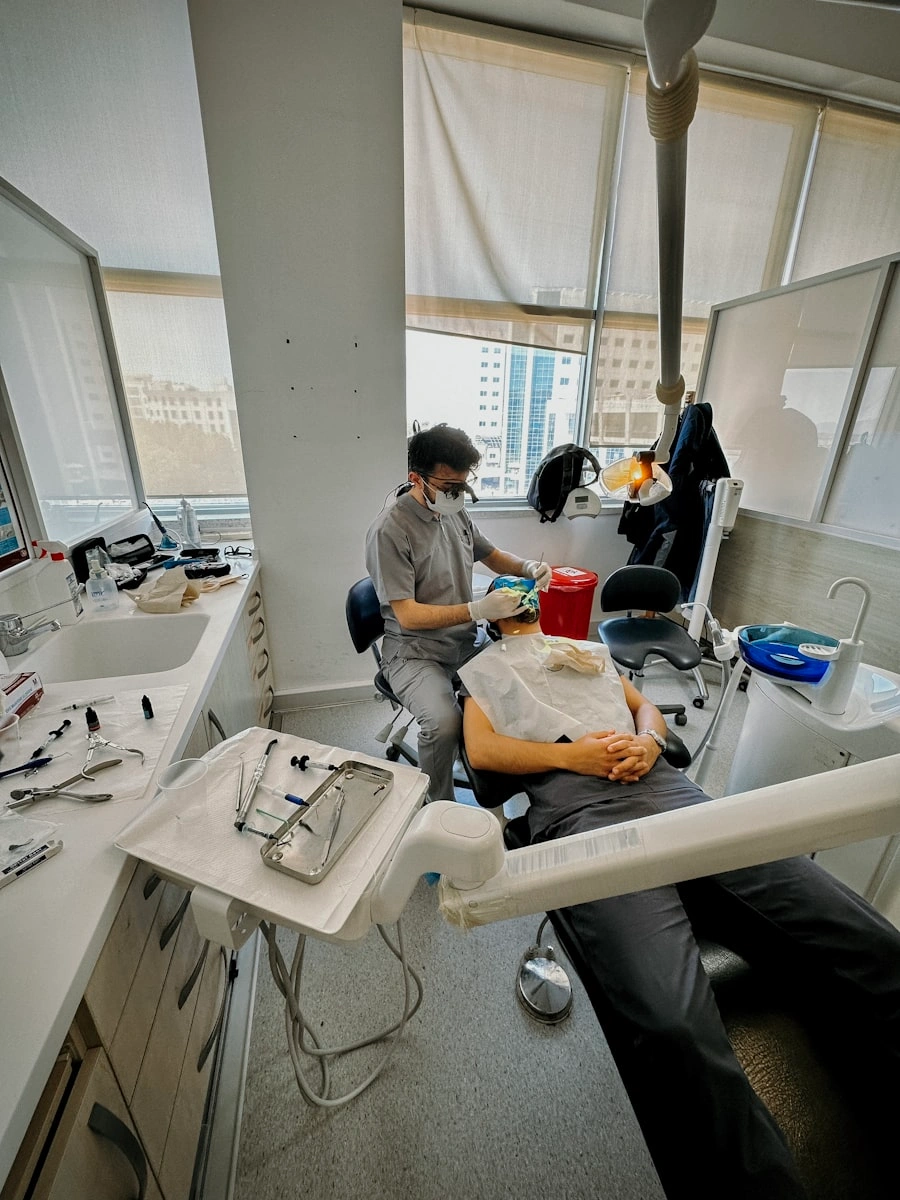
A bone grafting procedure is performed under local anesthesia. For socket preservation at the time of extraction, the graft material is placed directly into the empty socket and covered with a collagen membrane and sutures. For ridge augmentation cases, a small incision is made in the gum, the graft material is placed against the deficient bone, a membrane is placed over it to protect the site, and the tissue is sutured closed. The surgery itself typically takes 30 to 60 minutes per site. Sedation is available for patients who prefer it.
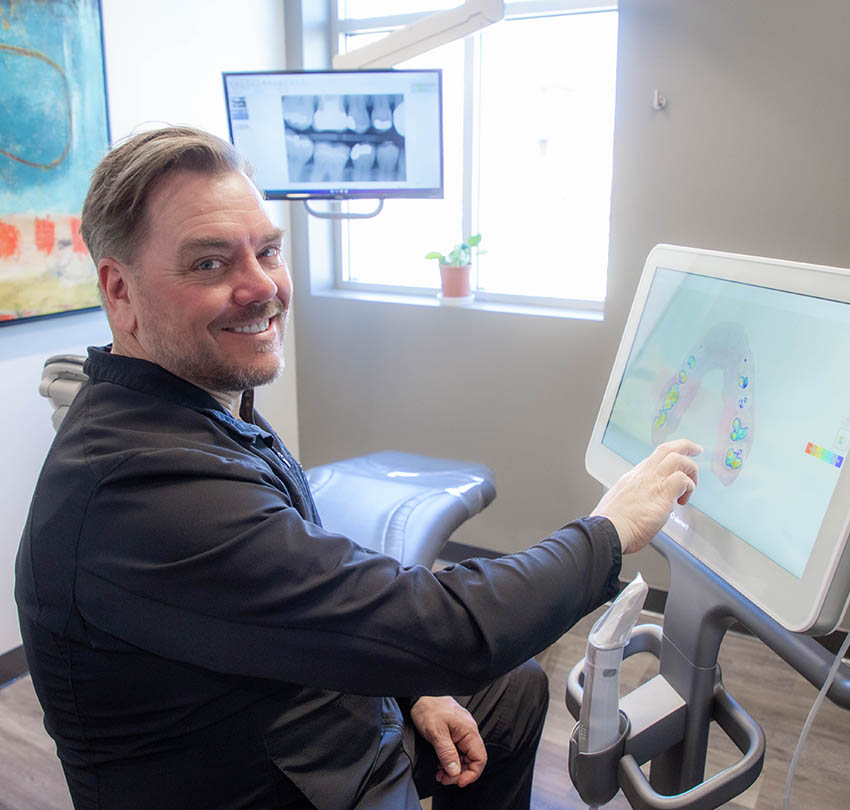
The healing period for bone grafts is one of the most important factors in implant timing. The graft material needs several months to integrate with the native bone — a process called osseointegration at the graft level. Most socket preservation grafts require three to four months before implant placement. Larger ridge augmentation grafts may require four to six months or more. Dr. Alber monitors the grafted site with imaging at the appropriate intervals to confirm adequate integration before scheduling implant placement. We use our advanced diagnostic technology to track healing accurately. Patients should avoid smoking during the healing period, as it significantly impairs bone graft success. Financing is available through CareCredit, Cherry, and Altheon.
The timing of bone grafting matters enormously. A socket preservation graft placed at the time of extraction is the most efficient path — it prevents the bone loss before it starts and avoids the need for more complex reconstruction later. Patients who lose a tooth without socket preservation and then decide to pursue an implant months or years later often face more extensive grafting requirements, a longer overall treatment timeline, and higher costs than if the graft had been placed at the time of extraction. We raise this at every extraction conversation so patients can make an informed decision about whether to include socket preservation as part of their immediate treatment plan.
Is Bone Grafting Right for You?
If you are planning a dental implant, have a tooth scheduled for extraction, or have been told you lack enough bone for implant placement, a conversation about bone grafting belongs in your treatment discussion. Dr. Alber will review your imaging, assess your bone volume, and give you a clear-eyed recommendation about whether grafting is necessary, what type is appropriate, and how it fits into the overall implant timeline. We offer flexible financing through CareCredit, Cherry, and Altheon, and we accept HSA and FSA funds. Contact our Boulder office to schedule an implant consultation that includes a bone assessment.
- Have healthy teeth and gums with no untreated decay or gum disease
- Want to address stains, chips, gaps, or irregular tooth shape
- Maintain good daily oral hygiene habits
- Do not grind excessively, or are willing to wear a night guard
- Have sufficient enamel to support bonding
- Are looking for a long-term cosmetic investment
Dr. Alber will confirm whether bone grafting is the right approach during your consultation — and clearly explain the timeline, healing expectations, and how it fits into your overall treatment plan.
The Bone Grafting Process
Evaluation & Imaging
Dr. Alber begins with a thorough exam to confirm you are a good candidate — healthy gums, adequate enamel, and no untreated decay. From there, we discuss your smile goals and review shade options. Digital photos help visualize the proposed changes before any treatment begins. For patients unsure about shade or shape, we can discuss temporary mock-ups to preview the result.
Graft Placement & Membrane
The graft material is placed into the prepared socket or defect site and covered with a membrane to protect it during healing. Sutures close the site and a protective covering is placed.
Socket Graft vs. Ridge Augmentation
The graft integrates with your existing bone over a healing period typically ranging from 3 to 6 months. Once sufficient bone volume is confirmed, the next phase of treatment — usually implant placement — can proceed.
Healing & Implant Readiness Assessment
Once adequate bone volume is established, the site is ready for implant placement. We schedule this follow-up once imaging confirms full integration of the graft material.

Build the Foundation for Your Implant
Schedule a consultation with Dr. Alber to find out whether bone grafting is the right next step — and get a clear assessment of your bone volume, graft options, and implant timeline.
Bone Graft vs. No Graft After Extraction
Socket Preservation Graft vs. No Graft After Extraction
Both are cosmetic options — the right choice depends on the extent of the change you want and how long you want results to last.
| Socket Graft | Ridge Augmentation | |
|---|---|---|
| Timing | Placed at the time of tooth extraction to preserve the socket | Placed after healing when the ridge has already lost volume |
| Goal | Maintain existing bone width and height during extraction site healing | Rebuild a resorbed ridge to create sufficient volume for implant placement |
| Healing time | 3–6 months before implant placement is possible | 4–9 months depending on graft volume and site |
| Best for | Patients planning an implant who are having a tooth extracted now | Patients with long-standing bone loss who were not grafted at extraction |
| Graft material | Bone graft particles placed in the socket with a collagen membrane | May require block graft or particulate with membrane depending on defect size |
Caring for Your Graft Site
How to Support Healing After Your Bone Graft
Bone grafting heals predictably when the site is protected during the early weeks. A few key habits will give the graft the best chance of full integration:
Do not disturb the graft site. Avoid touching it with your tongue or fingers, rinsing vigorously, or using a straw in the first 24–48 hours. Disrupting the clot or membrane can compromise healing.
Avoid smoking during the healing period. Tobacco use significantly increases the risk of graft failure by reducing blood supply to the site and impairing the body’s ability to regenerate bone tissue.
Eat soft foods and avoid chewing directly on the graft site. Hard or crunchy foods can dislodge the membrane or graft material before integration has begun.
Attend all follow-up appointments. Dr. Alber monitors graft integration with imaging at scheduled intervals and will confirm when the site has sufficient bone volume for the next phase of treatment.
Bone Grafting With Flexible Payment Options
Bone grafting is covered in part by many dental insurance plans, particularly when performed at the time of extraction or as a medically necessary prerequisite for implant placement. Coverage varies significantly by plan. Our team will verify your benefits before any procedure. For remaining costs, we offer 0% financing through CareCredit, Cherry, and Altheon, and we accept HSA and FSA funds. Visit our financing page for details.
Ready to Schedule? We Are Accepting New Patients.
Call our Boulder office or request an appointment online. Same-day appointments available for dental emergencies.
Also at Alber Dental Studio
Explore Our Other Cosmetic Services
Bone grafting is part of a larger tooth replacement pathway. These services are commonly combined with grafting at Alber Dental Studio.
Tooth extraction performed before bone grafting — often done in the same appointment as socket preservation to prevent ridge collapse.
A same-appointment option for minor chips or gaps — no enamel removal needed.
Professional-strength whitening when tooth color is the primary concern.
Read What Our Customers Are Saying
Common Questions
Frequently Asked Questions
What is dental bone grafting and why is it needed?
What is the difference between socket preservation, ridge augmentation, and a sinus lift?
Is bone grafting painful?
How long does bone graft healing take?
What affects bone graft success?
Is bone grafting covered by insurance?
Alber Dental Studio: Bone Grafting in Boulder, CO
Dr. Marc Alber and the team at Alber Dental Studio manage the full implant pathway — from extraction and bone grafting through implant placement and final restoration — in one practice. That continuity matters. When the same clinician who places the graft also places the implant, the treatment plan is coherent, the imaging is reviewed consistently, and the timeline is managed with the full picture in mind. Learn more about Dr. Alber on his provider profile. If you have a tooth that may need extraction, or have been told an implant is not possible due to bone loss, contact our Boulder office to schedule a consultation and bone assessment.