
Dental Hygiene Education in Boulder, CO

27+
Years Serving Boulder
735+
Five-Star Google Reviews
3
Financing Options Accepted
100%
Fee-for-Service Practice
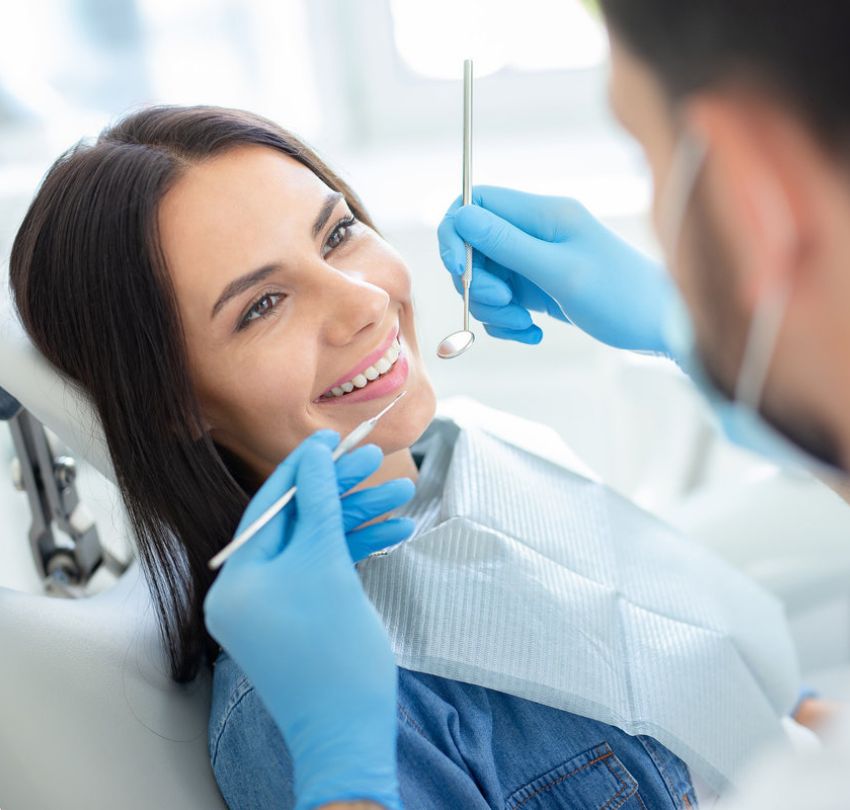
Dental hygiene education is the coaching and instruction that helps patients develop home care habits that actually protect their teeth and gums between professional visits. Knowing which techniques to use, which products are worth using, and how to adapt home care to individual anatomy and risk factors makes a measurable difference in long-term oral health outcomes. At Alber Dental Studio, hygiene education is integrated into every cleaning and exam appointment.
Our hygienists and Dr. Marc Alber take time at each visit to review home care and address any areas where plaque control could be improved. This is particularly valuable for patients with gum disease history, patients in orthodontic treatment, patients with bridges or implants that require specialized cleaning techniques, and patients whose oral health has changed due to medications or systemic conditions. Hygiene education is part of our broader preventive dentistry program.
Brushing Technique and Tools
Most dental problems related to inadequate brushing are not caused by lack of effort — they are caused by technique issues or the wrong tools. A soft-bristled brush used with a gentle circular motion at a 45-degree angle to the gumline removes plaque without abrading enamel or damaging gum tissue. Firm scrubbing with a hard-bristled brush is one of the most common causes of gum recession and enamel wear we see in patients. Electric toothbrushes with oscillating or sonic heads consistently outperform manual brushing in clinical studies and are often recommended for patients who struggle with technique or have limited dexterity.
Brushing should cover all tooth surfaces — outer, inner, and chewing — for a minimum of two minutes twice daily. Most people significantly underestimate how long two minutes actually is; a timer or an electric brush with a built-in timer helps establish the correct duration.
Approximately 40% of tooth surfaces are between the teeth — surfaces that a toothbrush cannot reach. Interdental cleaning is essential for removing plaque from these areas before it mineralizes into calculus. Traditional floss remains effective when used correctly, but many patients find interdental brushes, floss picks, or water flossers easier to use consistently. For patients with bridges, implants, or orthodontic appliances, floss threaders or specialized interdental tools are necessary. Our hygienists demonstrate the correct technique for each patient’s specific situation at the appointment.
Flossing and Interdental Cleaning
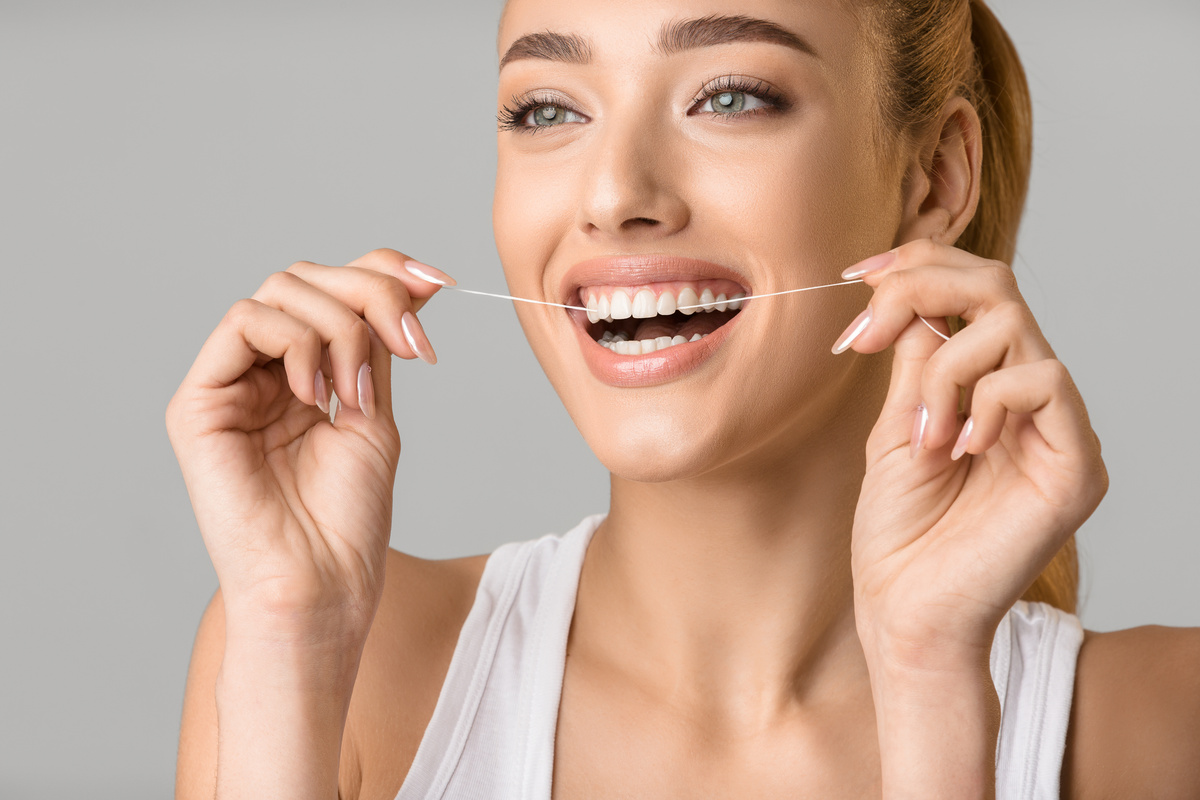
Flossing at least once daily removes plaque and food from between teeth before it hardens into calculus. The technique matters — slide the floss gently under the gumline and curve it around each tooth rather than snapping it through the contact. Patients who find traditional floss difficult can use floss picks, interdental brushes, or a water flosser with equally good results as long as they use the tool consistently. For patients with bridges or implants, floss threaders allow access under and around fixed restorations that standard floss cannot navigate. Our hygienists will demonstrate the right approach for your specific anatomy and restorations.
Frequent exposure to sugar and acidic foods and beverages drives decay risk far more than total consumption. Sipping a sugary drink over two hours creates sustained acid attack; drinking the same amount quickly and rinsing with water afterward is significantly less damaging. Dry mouth — a common side effect of many medications — reduces saliva’s buffering effect and increases decay risk considerably. We discuss these factors as part of each patient’s individualized home care plan. The American Dental Association’s home oral care guidelines support personalized recommendations for patients at elevated caries or gingivitis risk. Fluoride treatments and dental sealants complement good home care for patients at elevated risk.
Build Better Habits — Starting at Your Next Visit
Schedule a cleaning or hygiene appointment with Dr. Alber and get personalized home care guidance tailored to your needs. No generic advice, just practical steps that work for your life.
Home Care for Specific Patient Situations
Patients with gum disease, implants, bridges, braces, or dry mouth need home care guidance that goes beyond standard brushing and flossing recommendations. We tailor advice to each patient’s specific anatomy, restorations, and risk profile. For patients managing active gum disease, thorough home care between professional visits is as important as the treatment itself. For patients in orthodontic treatment, special attention to cleaning around brackets and wires prevents the decalcification that leads to permanent white spots after braces are removed. Contact our Boulder office to schedule an appointment.
- Have healthy teeth and gums with no untreated decay or gum disease
- Want to address stains, chips, gaps, or irregular tooth shape
- Maintain good daily oral hygiene habits
- Do not grind excessively, or are willing to wear a night guard
- Have sufficient enamel to support bonding
- Are looking for a long-term cosmetic investment
Dr. Alber will assess your home care at each visit and provide specific, targeted guidance based on where plaque is accumulating. No generic advice — every recommendation is matched to your anatomy, restorations, and risk profile.
Your Home Care Routine
Step 1: Brushing
Soft-bristled brush, 45-degree angle to the gumline, gentle circular motion. Two minutes minimum, twice daily. Electric toothbrush recommended for most patients — the oscillating or sonic action removes significantly more plaque than manual brushing.
Step 2: Interdental Cleaning
Floss, interdental brushes, or water flosser — once daily minimum. Curve the floss around each tooth and slide gently under the gumline rather than snapping through contacts. For bridges and implants, use a floss threader to clean under and around fixed restorations. Your hygienist will demonstrate the right method for your specific situation.
Step 3: Diet and Habit Awareness
Limit sugary and acidic drinks between meals — frequency of exposure matters more than total amount. Rinse with water after eating when brushing isn’t immediately possible. If you take medications that cause dry mouth, discuss this with Dr. Alber — dry mouth significantly increases decay risk and there are strategies to manage it.
Step 4: Professional Cleanings on Schedule
Home care and professional cleanings work together — one doesn’t replace the other. Calculus that forms between visits can only be removed professionally. Attending your scheduled cleanings every six months (or more frequently if recommended) is the final essential component of a complete preventive program.
Ready to Schedule? We Are Accepting New Patients.
Call our Boulder office or request an appointment online. Same-day appointments available for dental emergencies.
Your Home Care Plan
Building Better Home Care Habits
Small changes in home care technique produce measurable improvements over time. At each visit, we identify the specific areas where plaque is accumulating and give practical, targeted guidance — not generic advice. The goal is a routine that works for your actual life.
Frayed bristles don’t clean effectively. Replace your brush or brush head every three to four months. Hard bristles damage gum tissue and enamel — soft is always the right choice regardless of how much pressure you use.
Standard fluoride toothpaste (1000-1450 ppm fluoride) is the baseline for everyone. Patients with elevated decay risk may benefit from prescription-strength fluoride toothpaste — Dr. Alber recommends it when clinically appropriate. Avoid whitening toothpastes with highly abrasive formulas, which can wear enamel and root surfaces over time.
Curve the floss around each tooth in a C-shape and slide it gently under the gumline. Snapping through the contact point without following the tooth contour misses the area where plaque accumulates. If traditional floss is difficult, a water flosser or interdental brush works just as well when used consistently.
No amount of home care removes calculus once it hardens. Attending scheduled cleanings every six months is the final essential component of a complete preventive program.

Dental Hygiene Education With Flexible Payment Options
Hygiene education is built into every cleaning and exam — there is no separate charge. Cleanings are covered by most dental insurance plans twice per year. We are a fee-for-service practice. For patients without insurance, our in-house membership plan covers cleanings and exams. We accept HSA and FSA funds and offer flexible financing through CareCredit, Cherry, and Altheon.
Also at Alber Dental Studio
Explore Our Other Preventive Services
Hygiene education is one part of our complete preventive dentistry program at Alber Dental Studio.
Foundation of preventive care — remove plaque and calculus every six months.
Professional-strength fluoride varnish to strengthen enamel and prevent cavities.
Protective coatings on back teeth to prevent cavities in children and high-risk adults.
Included at every comprehensive exam to detect early signs of oral cancer.
Read What Our Customers Are Saying
Common Questions
Frequently Asked Questions
What kind of toothbrush should I use?
Is flossing really necessary if I brush well?
How does diet affect my cavity risk?
Do I need different home care if I have implants, bridges, or braces?
How often should I replace my toothbrush?
Can good home care prevent gum disease?
Alber Dental Studio: Dental Hygiene Education in Boulder, CO
Dr. Marc Alber and the hygiene team at Alber Dental Studio treat patient education as a core part of every visit — not an afterthought. Consistent, high-quality home care between appointments is what makes professional care effective over the long term. With 26+ years in Boulder and 735+ five-star reviews, we invest the time at each visit to make sure patients leave with the knowledge and tools to protect their oral health at home. Contact our Boulder office to schedule. Learn more about Dr. Alber on his provider profile.