

27+
Years Serving Boulder
735+
Five-Star Google Reviews
3
Financing Options Accepted
100%
Fee-for-Service Practice
Dental sealants are thin plastic coatings applied to the chewing surfaces of the back teeth to protect them from decay. The molars and premolars have deep pits and grooves on their biting surfaces where food and bacteria accumulate easily — surfaces that a toothbrush cannot reliably clean. Sealants fill those grooves, creating a smooth surface that resists cavity formation and is easier to clean.
According to the Centers for Disease Control, sealants prevent 80% of cavities in the back teeth where most cavities in children occur. At Alber Dental Studio, we apply sealants as part of our preventive dentistry program, typically for children when their permanent molars have fully erupted. The procedure is quick, painless, and requires no drilling or anesthesia. Sealants can also be placed on adult teeth that are cavity-free and at elevated risk.
When Are Sealants Applied?
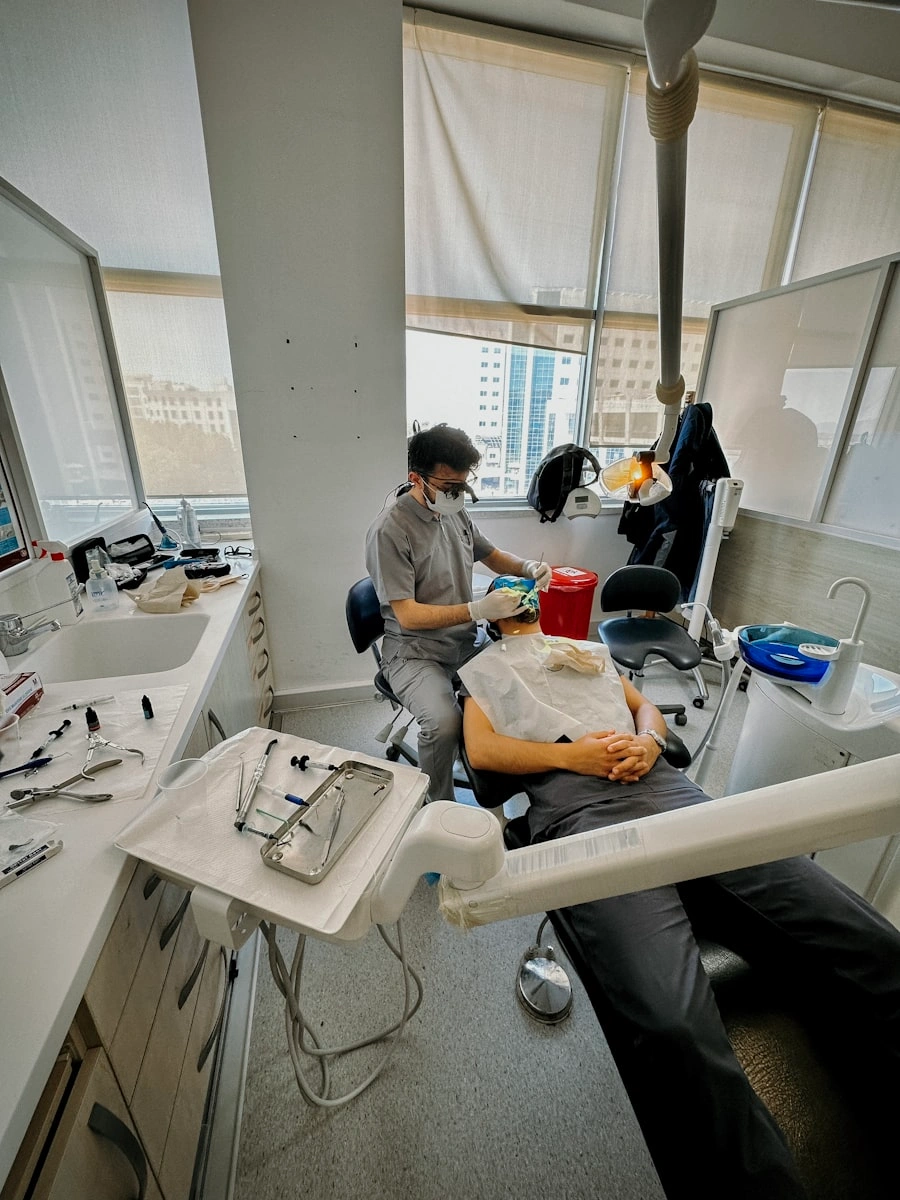
The ideal time to place sealants is shortly after the permanent molars erupt — typically the first molars around age six and the second molars around age twelve. Applying sealants early, before any decay can start in the grooves, is when the prevention benefit is greatest. The procedure takes only a few minutes per tooth: the surface is cleaned, a conditioning gel is applied briefly, and the sealant material is painted on and hardened with a curing light. There is no drilling and no anesthesia required.
Sealants are checked at every routine exam and can be touched up or replaced if they wear or chip over time. We include sealant evaluation as part of our comprehensive dental examinations. Combined with professional teeth cleanings and good home care, sealants are one of the most cost-effective preventive investments available for children’s dental health.
Sealants protect only the chewing surfaces where they are applied — the deep grooves of the back teeth. They do not protect the smooth surfaces between teeth or at the gumline, which is why brushing, flossing, and professional cleanings remain essential. Sealants are one layer of a complete preventive program, not a substitute for the rest of it.
Simple Protection. Lasting Results.
Schedule a visit with Dr. Alber to find out whether sealants are a good fit — and protect your child’s teeth before decay has a chance to start.
Protect Your Child's Teeth Before Cavities Start
Sealants are one of the most straightforward and high-value preventive procedures we offer. The cost of placing sealants is significantly lower than the cost of treating the cavities they prevent. For children who are in their cavity-prone years and have deep grooves in their newly erupted permanent molars, sealants are a clear clinical recommendation. Dr. Alber will note when sealants are indicated during your child’s exam and explain the recommendation clearly. Contact our Boulder office to schedule an appointment.
Sealants are covered by most dental insurance plans for children, typically up to age 14 or 16 depending on the plan. Coverage for adults varies. Our team verifies benefits before any procedure. Visit our financing page for payment options if needed.

Dental Sealants at Alber Dental Studio
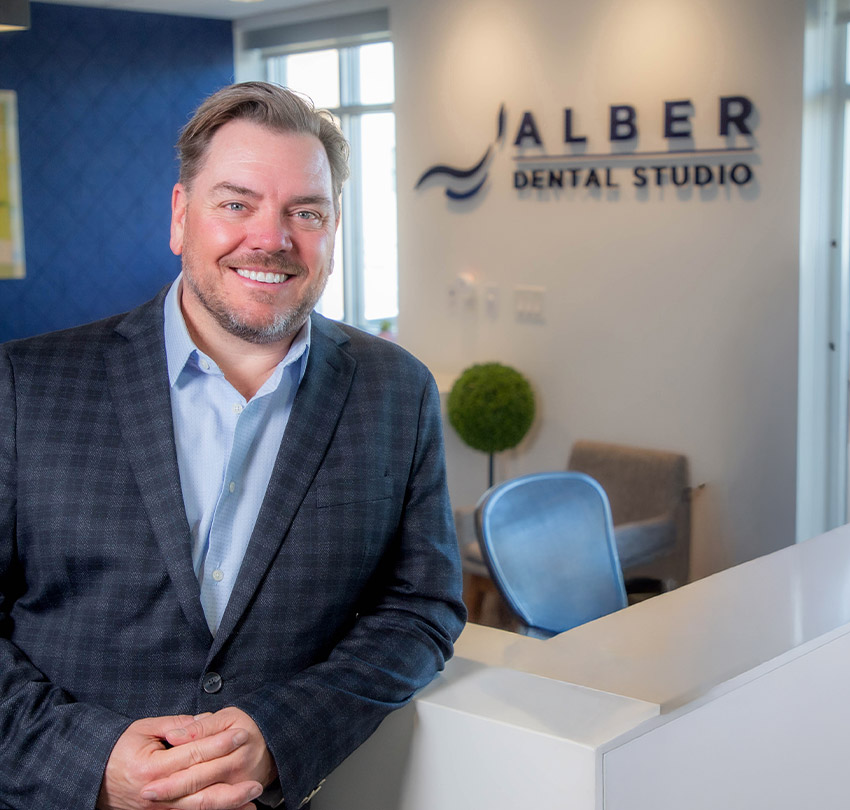
Dr. Marc Alber and the team at Alber Dental Studio include sealant evaluation as a routine part of care for children and young adults. We recommend sealants when the clinical situation clearly supports them and explain the reasoning to parents so the decision is informed. Contact our Boulder office to schedule your child’s exam and sealant evaluation.
- Have healthy teeth and gums with no untreated decay or gum disease
- Want to address stains, chips, gaps, or irregular tooth shape
- Maintain good daily oral hygiene habits
- Do not grind excessively, or are willing to wear a night guard
- Have sufficient enamel to support bonding
- Are looking for a long-term cosmetic investment
Dr. Alber will confirm whether sealants are appropriate for your child — or for you — during your exam, and clearly explain which teeth would benefit most from protection.
What to Expect at Your Visit
Health Review & Diagnosis
Dr. Alber begins with a thorough exam to confirm you are a good candidate — healthy gums, adequate enamel, and no untreated decay. From there, we discuss your smile goals and review shade options. Digital photos help visualize the proposed changes before any treatment begins. For patients unsure about shade or shape, we can discuss temporary mock-ups to preview the result.
Clinical Assessment & Care Plan
The tooth surface is cleaned and dried thoroughly. An acidic gel is applied briefly to roughen the enamel surface, which allows the sealant material to bond securely to the grooves of the tooth.
Treatment or Preventive Action
The liquid sealant is painted into the pits and fissures of the tooth and hardened with a curing light. The entire process takes only a few minutes per tooth — no drilling, no anesthesia, no discomfort.
Scheduling & Follow-Up
The bite is checked and any minor adjustments are made immediately. The sealant is fully set and ready to use as soon as you leave the chair — no waiting period, no restrictions.
Ready to Schedule? We Are Accepting New Patients.
Call our Boulder office or request an appointment online. Same-day appointments available for dental emergencies.
Sealants vs. Fluoride Treatment
Dental Sealants vs. Fluoride Treatment
Both are cosmetic options — the right choice depends on the extent of the change you want and how long you want results to last.
| Preventive Care | Restorative Care | |
|---|---|---|
| Material | Consistent professional exams and cleanings | Treatment of damage, decay, or disease when it occurs |
| Longevity | Lifelong — compounds in value over time | Determined by how early problems are caught |
| Stain resistance | Lower cost per visit, avoids costly late-stage treatment | Higher cost — fillings become crowns, crowns become extractions |
| Tooth reduction | Best for patients who stay current with care | Best for patients who delayed care and now need repair |
| Best for | Patients investing in long-term oral health | Patients treating existing damage or disease |
Caring for Your Sealants
Ready to Get Started?
Sealants are durable and low-maintenance, but a few habits help them last as long as possible — typically 5 to 10 years before reapplication may be needed:
Avoid biting down on hard objects like ice, hard candy, or pen caps — excessive force can chip or dislodge the sealant material from the grooves it is protecting.
Sealants are checked at every six-month exam and reapplied if any wear or chipping is detected. Staying current with routine visits is the easiest way to ensure ongoing protection.
Brush twice daily and floss regularly. Sealants protect the pits and fissures of back teeth but do not cover the sides or between teeth — consistent hygiene still matters for complete cavity prevention.
Routine six-month exams let Dr. Alber check sealant integrity and reapply any areas that have worn thin — keeping the protective barrier intact as long as possible.
Dental Sealants With Flexible Payment Options
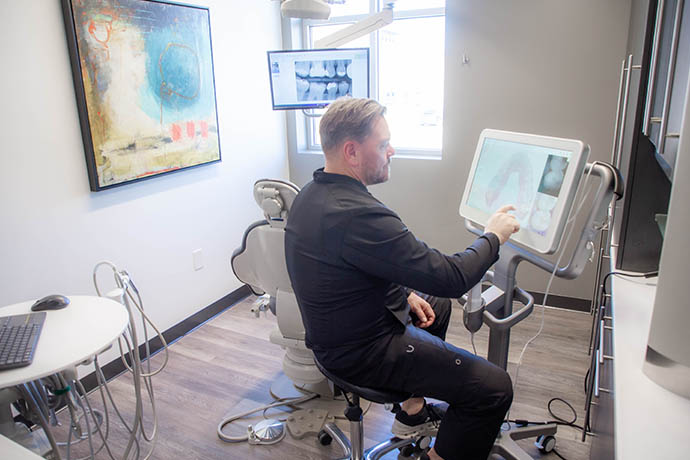
Sealants are covered by most dental insurance plans for children up to age 14 or 16. Adult coverage varies by plan. We verify benefits before any procedure. For any remaining costs, we accept HSA and FSA funds and offer flexible financing.
Also at Alber Dental Studio
Explore Our Other Cosmetic Services
Dental sealants are part of a broader preventive care strategy. These services are commonly paired with sealants at Alber Dental Studio.
Fluoride treatments strengthen enamel across the entire tooth surface and work well alongside sealants for comprehensive cavity prevention — especially in children.
A same-appointment option for minor chips or gaps — no enamel removal needed.
Professional-strength whitening when tooth color is the primary concern.
Read What Our Customers Are Saying
Common Questions
Frequently Asked Questions
What are dental sealants?
When should sealants be applied?
What is the sealant application process like?
Do sealants replace brushing and flossing?
How long do sealants last?
Does insurance cover dental sealants?
Alber Dental Studio: Dental Sealants in Boulder, CO
At Alber Dental Studio, sealants are part of a complete preventive program that includes regular exams, professional cleanings, fluoride treatments, and oral hygiene education. Dr. Alber evaluates sealant need at every exam and applies them when the clinical situation supports it. Learn more about Dr. Alber on his provider profile. Contact our Boulder office to schedule.