Your smile is often the first thing people notice about you, and when something feels off about it, even small flaws can weigh heavily on your confidence. Two of the most sought-after treatments in cosmetic dentistry are porcelain veneers and composite bonding, but understanding the difference between them is key to choosing a treatment that fits your goals, timeline, and smile.
At Alber Dental Studio in Boulder, Dr. Marc Alber helps patients navigate this decision with precision and care. Staying at the forefront of advances in dental care, Dr. Alber offers both veneers and bonding as part of a comprehensive cosmetic dentistry approach tailored to each patient’s unique needs.
What Are Porcelain Veneers?
Porcelain veneers are thin, custom-crafted shells made from high-grade ceramic material that are permanently bonded to the front surface of teeth. They are designed to address a wide range of cosmetic concerns, including deep discoloration, chips, uneven sizing, gaps, and minor misalignment. Since they are fabricated in a dental laboratory and color-matched to your natural teeth, porcelain veneers offer a remarkably lifelike appearance with excellent long-term stability.
How the Process Works
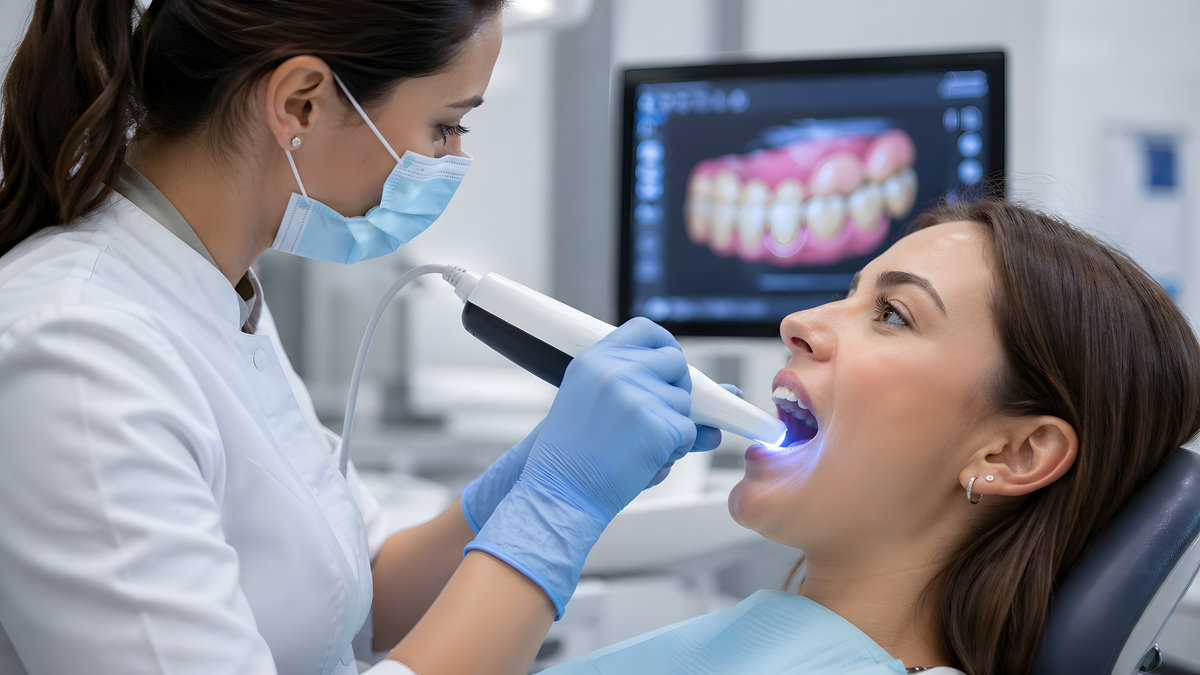
Getting porcelain veneers is typically a multi-step process. A small amount of enamel is removed from the tooth surface to make room for the veneer, and then a custom mold or digital impression is taken. Temporary veneers may be placed while the permanent ones are crafted. Once ready, the final restorations are bonded in place using a strong dental adhesive, producing a seamless, lasting result.
Longevity and Appearance
Porcelain is highly resistant to staining and maintains its color and gloss over time. A narrative literature review published on the National Institutes of Health website found that ceramic veneers bonded to enamel demonstrate strong clinical survival rates across years of follow-up, making them one of the more durable options in cosmetic restoration. With proper care, porcelain veneers may last well over a decade.
What Is Composite Bonding?
Composite bonding involves applying a tooth-colored resin directly to the tooth and sculpting it by hand to improve its shape, size, or color. Unlike veneers, this process is typically completed in a single visit without removing significant tooth structure. Composite bonding is an excellent option for patients who want to correct minor cosmetic concerns without committing to a more permanent procedure.
When Bonding Makes Sense
Composite bonding works well for small chips, gaps, or mild discoloration. It is also a popular choice for younger patients or those who prefer a reversible, minimally invasive approach. With no dental laboratory involved, the process is faster and generally more affordable than the process for veneers.
What to Expect Over Time
Composite resin is somewhat more prone to staining and chipping compared to porcelain. Patients may need touch-ups or repairs over the years, particularly in areas with heavier bite pressure. That said, bonding can be refined or replaced without significant preparation of the underlying tooth, which gives patients flexibility if their cosmetic goals change down the road.
Comparing the Two Options
Both treatments are effective, and neither is universally “better” than the other. The right choice depends on several personal factors. Here is a quick comparison to help frame the decision:
- Porcelain veneers: best for patients with more pronounced discoloration, multiple teeth to address, or those prioritizing longevity and a high-gloss finish
- Composite bonding: suits patients with minor imperfections, a preference for minimal prep, or those looking for a faster, single-appointment solution
- Broader planning: both options can be incorporated into a smile makeover that addresses multiple cosmetic concerns at once
The two treatments can even work together depending on the clinical situation, with bonding applied selectively while veneers address other areas of the smile. Both options also pair well with professional teeth whitening, which is often completed beforehand to help match the final shade of your restorations to your brightest natural tone.
Choose Your Smile at Alber Dental Studio
Making a confident decision about your smile starts with a conversation with a dentist who takes the time to understand what you are looking for. At Alber Dental Studio, Dr. Alber brings years of experience treating smiles in Boulder and surrounding communities, combining advanced technology with a patient-centered approach that prioritizes both function and aesthetics. Our CEREC 3D printing technology also allows for in-house restorations whenever possible, streamlining your care from start to finish.
Porcelain and composite bonding each offer unique benefits, and the right choice depends on your goals, timeline, and smile. Contact us to schedule a cosmetic consultation and take the first step toward the smile you have been picturing.